Isatis Root Extract
Isatis indigotica Fort. · Brassicaceae · Chinese Pharmacopoeia 2020
Recognized globally as a premier broad-spectrum antiviral and immune-modulating botanical. Sourced from geo-authentic (Dao-Di) origins, we deliver fully traceable extracts across multiple specification grades—from sterile pharmaceutical formulations to highly soluble dietary supplement blends. Every batch is strictly standardized to Epigoitrin via HPLC, guaranteeing exact concentration ratios and uncompromised bioactivity from one transparent production chain.
100% Pure Extracts: Not Spray Dried onto a Maltodextrin Carrier Powder
Solvent-Free
100% extraction process
24
Months Retained batch samples · Stability data
4
Market sectors served
GMP
Certified
Isatis Root Extract
Isatis indigotica Fort. · Radix Isatidis
Raw Isatis Root Powder
Isatis Root 10:1, 20:1, or custom
10:1 Epigoitrin ≧ 0.1% (HPLC)
15:1 Epigoitrin ≧ 0.2% (HPLC)
20:1 Epigoitrin ≧ 0.2% (HPLC)
Custom
GMP
Certified facility · Lushi
CoA
Issued for every batch
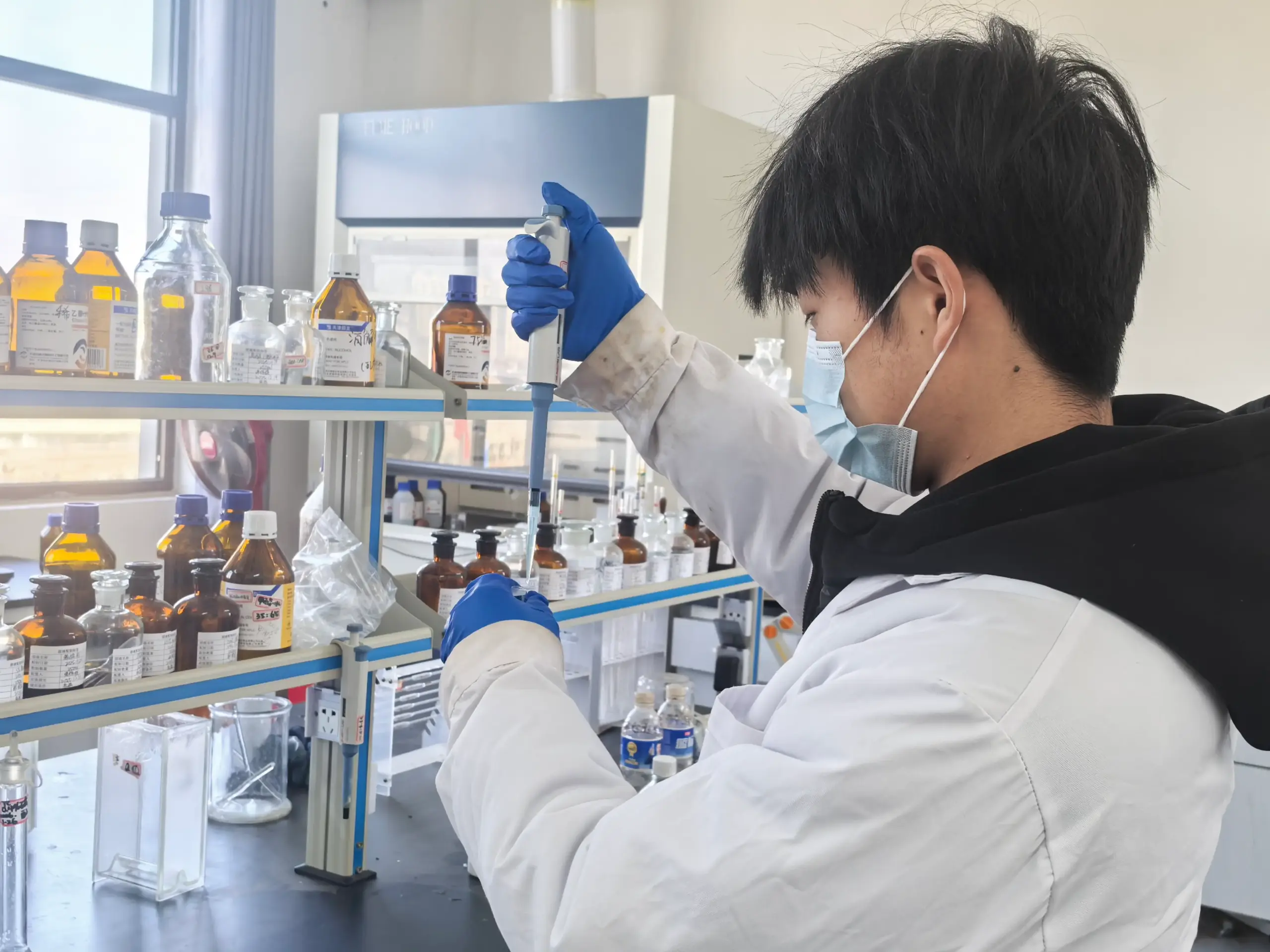
In-House Lab
Independent testing for every batch
CP 2020
Chinese Pharmacopoeia
R&D Team
PhD-led formulation support
What Isatis Extract buyers typically encounter
Early batches pass incoming QC. Later batches drift. The spec sheet promises a standard “10:1 extract” but deliberately omits the HPLC-verified Epigoitrin content. When field performance drops, you’re stuck talking to a broker who wasn’t in the lab and can’t pull a single production record.
We’ve mapped the most common failure points in Isatis root procurement — and the specific, factory-direct process decisions we’ve made to engineer each one out.
- What buyers typically experience
1. Vague "ratios" with zero active marker validation
"10:1 extract" merely describes a manufacturing process, not potency. Without HPLC-verified Epigoitrin levels, the true antiviral strength is unknown and impossible to validate across different batches.
2. Spring-harvested root disguised as premium material
Epigoitrin content in spring-harvested Isatis root can be 30–50% lower than autumn-harvested material. Unverified brokers mix harvest seasons, leading to weak, inconsistent field performance.
3. Hidden solvent residues and chemical processing
To cut corners, some mass-market producers use harsh chemical solvents (like methanol or acetone) during extraction, leaving toxic residues that fail clean-label nutraceutical standards.
4. Hidden dry-blending & poor encapsulation flow
Broker suppliers frequently dry-blend cheap maltodextrin into finished extract powders to artificially bulk up weight. This hidden dilution destroys potency consistency and causes severe clumping during capsule and tablet manufacturing.
5. Blind supply chains & zero post-delivery support
When a batch fails incoming QC weeks later, trading companies have no retained samples or production logs. Resolution becomes an endless commercial argument rather than a scientific determination.
- How HerbVet Sciences works
1. Comprehensive In-House Analytics & Transparent CoAs
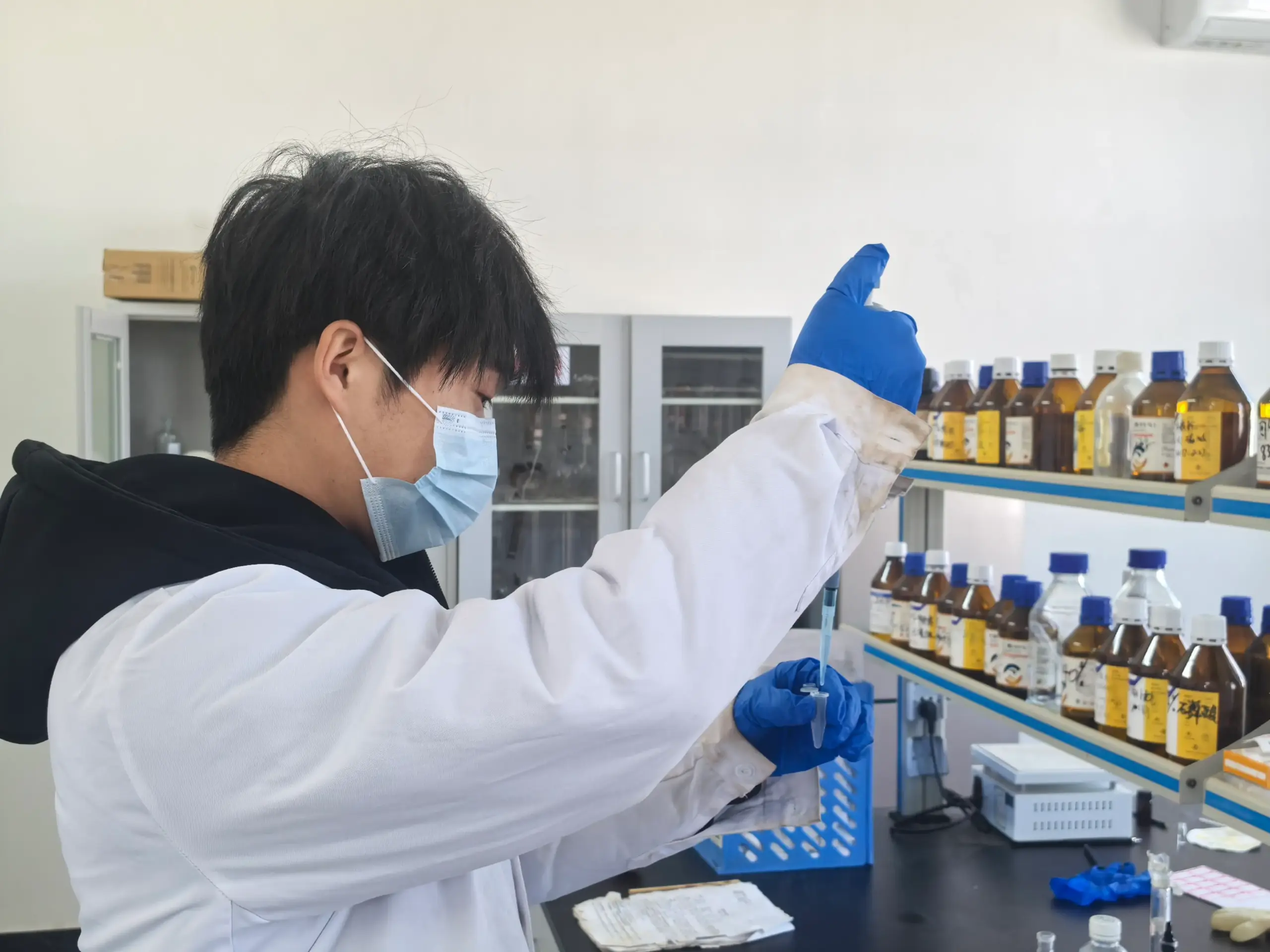
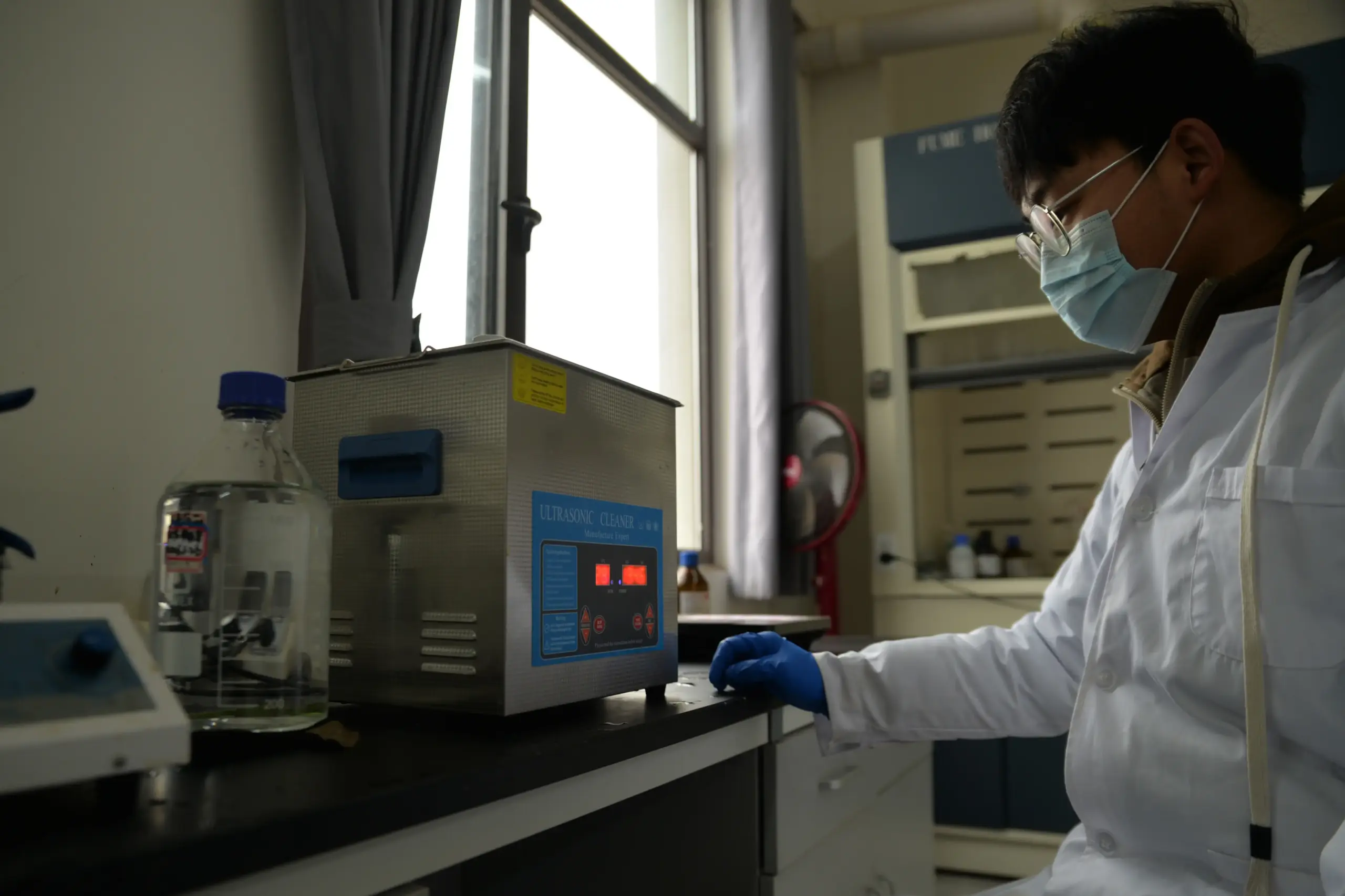
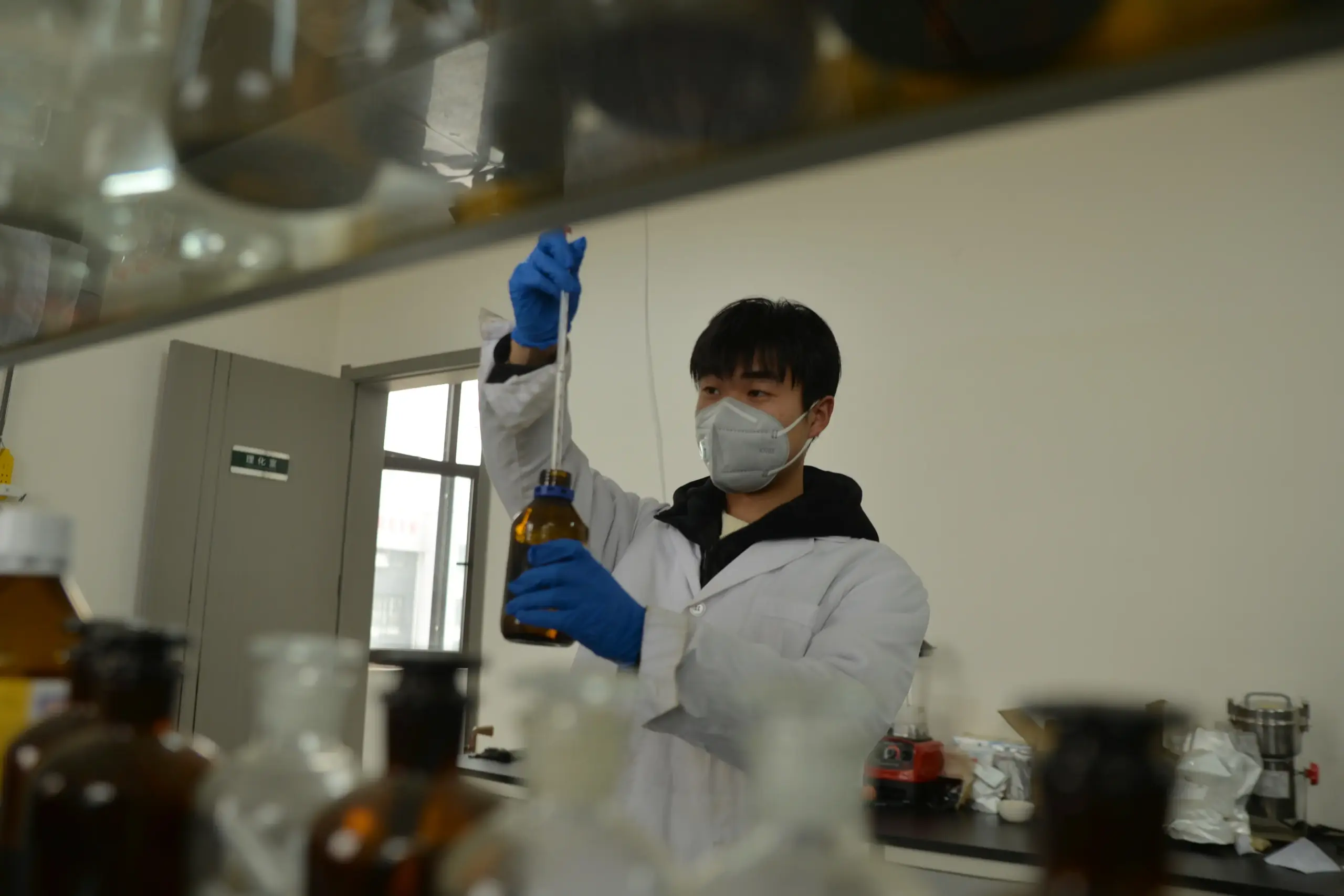
Every CoA clearly states the exact concentration ratio alongside the HPLC-quantified Epigoitrin content. Tested directly in our on-site QC lab equipped with high-precision HPLC, UV, and Atomic Absorption Spectrometry (AAS), we guarantee absolute potency and heavy-metal safety before any batch leaves our facility.
2. Strict Autumn Harvest & Dao-Di Ecological Sourcing
We exclusively source geo-authentic (Dao-Di) Isatis root harvested during the peak autumn window. Combined with strict ecological field management, we guarantee maximum natural active accumulation.
3. Pharma-Grade Extraction & Validated Recovery
We employ tightly controlled extraction matrices using only purified water or food-grade ethanol. Our advanced vacuum condensation systems ensure meticulous solvent recovery, guaranteeing every dispatched batch strictly passes USP/EP pharmacopoeia limits for residual solvents.
4. Transparent Formulation & Ideal Flowability
Zero post-production dry-blending. Carriers are used transparently during spray drying strictly for stability. Our Isatis extract delivers uniform particle sizing and excellent flowability/bulk density, and we also offer 100% carrier-free options tailored precisely for your manufacturing needs.
5. 24-Month Retained Library & Direct QA Access
We retain physical samples of every dispatched lot for 24 months. You communicate directly with our QA manager, complete with a formal root-cause analysis issued within 5 business days for absolute peace of mind.
Isatis Extract — from pharmaceutical formulations to advanced immune support
Four standardized concentration grades cover every downstream application. Each grade is purpose-built for its sector, featuring dedicated production specifications, strict Epigoitrin standardization, and a tailored CoA template.
01
Drug Manufacturing
Isatis root is a cornerstone botanical in antiviral and immune-modulating medicines, globally recognized for its powerful efficacy against respiratory infections and seasonal viral outbreaks.
- Classic botanical API for broad-spectrum antiviral and cold formulations
- Active ingredient for sterile injectable blends and oral syrups
- Essential component in traditional cold relief granules (e.g., Banlangen)
- Standardized to precise Epigoitrin levels via HPLC for exact dosing
- Strict Pharmacopoeia compliant · Ultra-low endotoxin and heavy metals
02
Nutraceuticals & Functional Foods
As global demand for natural immune defense surges, our Isatis root extract provides scientifically backed antiviral properties ideal for premium dietary supplements and functional clean-label formats.
- Immune defense capsules and tablets — seasonal wellness category
- Water-soluble formulations for effervescent tablets and powder mixes
- Throat lozenges and soothing syrups for upper respiratory comfort
- Functional gummies and ready-to-drink (RTD) immune shots
- Clean label compatible · 100% aqueous extraction (Solvent-free)
03
Skincare & Personal Care
Rich in specific alkaloids and amino acids, Isatis extract offers potent anti-inflammatory and soothing benefits, making it an innovative botanical active for targeted dermatological and sensitive skin applications.
- Targeted anti-acne serums — natural antibacterial properties
- Soothing face masks and lotions for redness and barrier repair
- Calming active for sensitive skin and post-sun recovery formulas
- Scalp care formulations for anti-inflammatory and oil-control
- INCI compliant · Low solvent residue · Unadulterated botanical profile
04
Animal Health & Feed Additives
A highly effective, natural alternative to antibiotics. Isatis root extract provides robust immune modulation and broad-spectrum antiviral defense for livestock and companion animals without residue concerns.
- Poultry antiviral defense — protecting flocks during seasonal viral challenges
- Swine respiratory health — advanced botanical premixes for herd immunity
- Aquaculture disease prevention via highly soluble granule applications
- Companion animal (pet) immune support dietary supplements
- Cost-effective standardized markers · High heat stability for pelleting
Isatis Root in the format your process actually needs
Each form is designed around a specific manufacturing workflow. Choose by your administration route, mixing equipment, and regulatory market.
01
Dry Powder Extract
Most concentrated form
Highly concentrated, spray-dried powder derived via water or ethanol extraction, with strictly standardized active markers. Offers excellent flowability and stability. Ideal for human dietary supplements (capsules/tablets) and serves as a premium feed additive base for livestock and aquaculture.
02
Fluid & Soft Extracts
Liquid concentrate
Premium liquid extracts optimized for rapid absorption and seamless formulation. Perfectly suited for cosmetic serums, personal care formulations, and high-purity oral liquid medications for both human and veterinary applications.
03
Soluble Granule
Instant dispersal
Engineered for complete and rapid water solubility without sedimentation. Perfect for human functional beverages and large-scale animal drinking water systems, ensuring zero clogging in automated farm dosing lines.
04
Custom Formulation
Targeted multi-industry solutions
Pre-blended synergistic formulas tailored to specific industry requirements. Whether formulating a complex nutraceutical or a specialized veterinary treatment, we customize active ratios to meet strict regional compliance and functional goals.
05
Raw Botanical Powder
Custom 60–500 mesh sizing
Premium botanical materials directly milled to precise particle sizes (60–500 mesh). This mechanical process retains the plant’s natural fiber and full-spectrum profile without extraction. A highly cost-effective solution ideal for human dietary capsules, herbal tea blends, and bulk animal feed premixes.
Chinese Pharmacopoeia compliance by application
Tailored extraction parameters and quality controls to meet the exact regulatory and formulation requirements of your sector.
Why strict Pharmacopoeia (CP) testing matters: Simple tests can be easily fooled by market adulteration. We protect your brand by strictly testing every batch against the rigorous analytical standards of the Chinese Pharmacopoeia (CP). This pharma-level methodology ensures authentic botanical identity, consistent potency, and zero compromise on quality.
| Grade | TARGET APPLICATION | RATIO & EPIGOITRIN (HPLC) | KEY SPECIFICATIONS | IDEAL FORMAT |
|---|---|---|---|---|
|
Pharmaceutical Grade |
OTC cold formulas, Oral liquids, Compound granules |
15:1 Extract (≥ 0.2% Epigoitrin) |
Strict Pharmacopoeia compliance; In-house HPLC verified; Comprehensive heavy metal screening |
Dry Powder / Granule |
|
Nutraceutical & F&B Grade |
Immune support capsules, Dietary supplements, Tablets |
10:1 Extract
(≥ 0.1% Epigoitrin) |
100% aqueous extraction (Solvent-Free); Excellent flowability for encapsulation; Clean label compliant |
Fine Powder |
|
Cosmetic & Personal Care Grade |
Anti-acne serums, Soothing lotions, Herbal facial masks |
10:1 Extract
(≥ 0.1% Epigoitrin) |
Potent anti-inflammatory properties; Unadulterated natural botanical profile; INCI compliant |
Dry Powder / Fluid Extract |
|
Veterinary & Animal Nutrition Grade |
Feed premix, Drinking water programs, ingection Grade |
10:1 Extract
(≥ 0.1% Epigoitrin) |
Cost-effective botanical antiviral; High heat stability for pelleting; Strict ecological sourcing |
Soluble Granule / Powder |
Water or alcohol extraction— customized to your specifications. Centrifugal spray drying
Why the extraction method directly determines product quality: Water extraction preserves hydrophilic active ingredients, making it suitable for end products requiring a clean label. Ethanol extraction offers stronger selectivity for lipophilic (fat-soluble) active substances, which can significantly increase the extraction rate of target active ingredients and reduce the co-extraction of inactive impurities. We flexibly select the optimal extraction solution for you based on your application scenarios and target markets.
Both extraction routes connect to the same centrifugal spray drying system, protecting active ingredients with low temperatures throughout the entire process. From raw botanical materials to finished powders, the loss of active ingredients is < 3%.
Pure Water Extraction
Using purified water as the solvent, multiple cycle extractions are performed on the botanical raw materials under controlled temperature and time conditions. The water extraction method can fully dissolve hydrophilic active ingredients, such as water-soluble flavonoids and polysaccharides. The resulting product features excellent water solubility and is ideal for health supplements, cosmetics, and veterinary applications that require “no organic solvent residues,” perfectly aligning with “clean label” standards in the EU and US.
Extraction Solvent
Purified Water
Extraction Temperature
80–95°C
Extraction Time
1.5– 2 hrs × 2-3 times
Solid-Liquid Ratio
1:10–15 (w/v)
Solvent Residue
Not Applicable
Applicable Certification
EU / US Clean Label
- No organic solvent residues — no ICH Q3C solvent residue testing required, reducing compliance costs.
- The recovery rate of water-soluble active compounds is up to 20–30% higher compared to ethanol extraction, ensuring superior cold-water solubility of the finished product.
- Suitable for clean label health supplements and cosmetic raw materials — meets EU EC No 1223/2009 requirements.
- In veterinary drug applications, it can be directly mixed with feed or dissolved in drinking water without the need for additional solubilization treatments.
Ethanol Extraction
Using ethanol (typically 60–75% concentration) as the solvent, lipophilic (fat-soluble) active ingredients and specific aglycones are selectively enriched by adjusting the solvent polarity. Compared to water extraction, ethanol extraction can increase the yield of target active ingredients by 30–40%, while significantly reducing the co-extraction of hydrophilic inactive impurities (such as polysaccharides and mucilage), thereby streamlining subsequent purification steps. It is highly suitable for producing high-concentration botanical extracts and pharmaceutical-grade export products.
Extraction Solvent
60–75% Ethanol
Extraction Temperature
50–65°C
Extraction Time
1.5–2 hrs × 2-3 times
Solid-Liquid Ratio
1:10–12 (w/v)
Solvent Recovery
Closed reflux ≥ 90%
Residue Standard
ICH Q3C Class 3
- The extraction rate of specific target active ingredients is increased by 30–40% — enabling the production of higher concentration specifications with the same raw material input.
- Co-extraction of inactive polysaccharides is reduced by about 40%, leading to higher efficiency in subsequent concentration and purification, resulting in better finished product purity.
- Closed reflux extraction ensures the loss of volatile active ingredients is < 5%, and the ethanol recovery rate is ≥ 90%.
- All batches are tested for residual ethanol according to the ICH Q3C standard, meeting pharmacopeia requirements, and a CoA is provided with shipments.
Centrifugal Spray Drying
The concentrated water or ethanol extract enters the centrifugal spray drying tower, where a high-speed rotating atomizer disc disperses the liquid into uniform, fine droplets. This significantly increases the gas-liquid contact area, completing moisture evaporation in an extremely short residence time. The powder is dried and shaped before reaching the tower wall. The inlet air temperature is precisely controlled throughout the process, and the actual temperature of the material during drying does not exceed 55°C — ensuring that heat-sensitive active ingredients are completely preserved during the powdering process.
Atomization Method
Rotary atomization
Inlet air temperature
160–180°C
Actual material temperature
≤ 55°C
Powder moisture content
≤ 5%
Particle size range
20–80 μm
Activity retention rate
≥ 97%
- Precision nozzle atomization produces uniform droplet sizes. After drying, the powder exhibits excellent flowability and consistent bulk density.
- The instantaneous evaporation process prevents prolonged heat exposure. This rapid liquid-to-solid conversion effectively protects heat-sensitive active compounds from severe thermal degradation.
- The resulting porous powder structure dissolves quickly in cold water without clumping, facilitating direct and easy use in end formulations.
- The system is fully compatible with both water and ethanol extracts, allowing for seamless production routing without the need to switch drying equipment.
Key Process Parameters
Actual Material Temperature
≤ 55 °C · Fully Monitored
Active Retention Rate
≥ 97 % · HPLC Verified
Finished Product Moisture Content
≤ 5 % · Drying Method
Particle Size Range
20–80 μm · Laser Particle Size
Compared to traditional spray drying: Traditional spray drying involves an inlet temperature exceeding 160°C, meaning materials are exposed to high temperatures for extended periods. The thermal degradation rate of heat-sensitive active components can reach 5–15%. Centrifugal spray drying drastically shortens droplet residence time via high-speed atomization. The actual temperature of the material never exceeds 55°C, keeping active loss < 3%. Liquids from both extraction routes can be fed directly into this system without needing equipment reconfiguration.
Compatible with Both Extraction Routes
The condenser valve stays open — for every hour, every batch.
Why this matters: During hot extraction, volatile oils — the terpene- and phenylpropanoid-based compounds responsible for much of a herb’s biological activity — vaporize with the solvent steam. In an open system with no condenser running, that steam vents to atmosphere, carrying the volatile fraction with it. The extract you end up with may pass an HPLC marker spec and still be missing 40–70% of its original volatile oil content. Running the reflux condenser throughout captures that steam, condenses it back to liquid, and returns it to the extraction vessel. Nothing leaves.
We operate our reflux condenser — with cooling water flowing and the condenser valve fully open — for the entire duration of every extraction run. Minimum run time is four hours. It costs more in electricity. We consider it non-negotiable.
Extraction without active reflux
Cooling water bypassed or switched off · Open-vent system
When the condenser valve is closed or the cooling water is off, the condenser becomes non-functional. Steam rising from the boiling extraction passes straight through and vents via the exhaust port. Monoterpenes, sesquiterpenes, and volatile phenylpropanoids — which are carried efficiently by steam even at temperatures well below their individual boiling points — are lost to the atmosphere continuously throughout the run.
Solvent heats; volatile oils vaporize and rise with steam toward condenser
Condenser inactive — no cooling; steam passes straight through without condensing
Steam vents through exhaust port; volatile oils exit with it — gone for good
This repeats every minute of the extraction run — losses accumulate over the full 4+ hours
40–70%
Typical volatile oil loss in an open-vent system
Varies by herb species, boiling point of target compounds, and run duration. Higher for monoterpene-rich herbs (mint, perilla, cyperus); somewhat lower for sesquiterpene-dominant herbs due to higher molecular weight.
- Volatile oil fraction arrives in the finished extract at 30–60% of its original concentration in the raw herb
- Marker compounds (e.g. essential oil HPLC value) may still "pass" specification — the spec was set too low or doesn't cover the full volatile profile
- Losses are irreversible — cannot be corrected at the drying or blending stage
- Saves electricity; common in commodity-grade production where per-batch energy cost is a primary driver
Full reflux throughout the run
Cooling water flowing · Reflux condenser fully active · All 4+ hours
With the condenser valve open and cooling water circulating, the condenser maintains a temperature differential that causes rising steam to condense back to liquid on contact with the cooling surface. The condensate — solvent plus dissolved volatile oils — drips back into the extraction vessel. This cycle repeats continuously: vaporize, rise, condense, return. No volatile fraction escapes the system.
Solvent heats; volatile oils vaporize and rise with steam toward condenser
Condenser inactive — no cooling; steam passes straight Condenser active — cooling water flowing; steam contacts cold surface and condenses immediately without condensing
Condensate (solvent + volatile oils) drips back into extraction vessel — nothing lost
< 8%
Volatile oil loss with active reflux condenser
- Volatile oil fraction is preserved in the extract at ≥92% of original concentration in raw herb
- The full terpene and phenylpropanoid profile is carried through to the finished powder — not just the non-volatile markers
- Consistent batch to batch: reflux conditions are stable and logged; volatile oil retention does not drift with operator decisions
- Higher energy cost per batch is a deliberate process commitment, not an oversight
How the condenser is run
Parameters held for the full duration of every extraction batch
Condenser Valve
Fully open
Cooling Water
Continuous flow
Coolant Inlet Temp.
15–20°C
Condensation Zone
Shell-and-tube condenser
Condenser Active From
Pre-heat to drain
Volatile Oil Retention
≥ 92%
Exhaust Port
Closed during run
Run Duration (min.)
4 hrs (≥ 240 min)
Why pre-heat to drain? Volatile oil loss begins the moment the solvent starts warming — even before boiling. We open the condenser valve at the start of the pre-heat phase and keep it open through the full drain cycle. Any batch record showing condenser activation only after the target temperature is reached has already allowed early-phase losses.
What running it correctly costs
Per-batch energy consumption — extraction stage only
Extraction vessel + heating elements + cooling water pump
100 kWh / hourFull reflux from pre-heat through drain — per batch
4+ hours / batchFor any herb where volatile compounds contribute meaningfully to the target bioactivity — or where the volatile fraction is part of the product’s organoleptic identity (flavour, aroma, or functional fragrance in cosmetic use) — open-vent extraction without active reflux produces a fundamentally different product. The marker compound on the CoA may look identical. The volatile oil profile will not.
Process aids for stability. Not cheap fillers for profit.
In botanical extraction, maltodextrin is often a necessary carrier during spray drying to prevent sticky resins from caking and to ensure powder flowability. We use it strictly as a functional manufacturing aid—never as a post-production filler. We guarantee 100% transparency on carrier ratios, and we never dry-blend maltodextrin into finished batches just to lower costs. Need a 100% pure extract? We also offer custom carrier-free processing tailored to your specific botanical requirements.
“There is a massive difference between using a 5% carrier during spray drying to ensure powder stability, and dry-blending 40% cheap carbohydrate into a finished drum to slash prices. One is formulation science; the other is specification inflation. We only practice the former.”
- Industry Standard Practice
Dry-blending
The liquid botanical extract is blended with a high proportion of maltodextrin (a cheap, tasteless carbohydrate derived from starch) before spray drying. Maltodextrin acts as a “carrier” that improves flowability and reduces dust — but it permanently dilutes the active compound concentration in the final powder.
- Maltodextrin is added after drying solely as a cheap, inactive filler.
- Carrier ratios are purposely hidden, making your formulation dosing highly inaccurate.
- High risk of inconsistent active levels from scoop to scoop due to uneven mechanical mixing.
- You ultimately pay botanical extract prices for carbohydrate starch.
- Our Process — Pure Extract Only
Transparent carriers & custom pure options
- Zero Dry-Blending: We never cut finished powders with fillers to artificially lower our manufacturing costs.
- Locked-in Consistency: When a processing aid is required for physical stability, its precise ratio is strictly locked into our master manufacturing record to guarantee absolute batch-to-batch consistency.
- Carrier is utilized only when the specific botanical resin demands it for moisture resistance and cold-water solubility.
- Custom Carrier-Free Extracts: For specialized formulations, we can adjust our extraction parameters to deliver 100% pure, carrier-free extracts upon request.
0%
Dry-Blended Fillers
No maltodextrin is ever mechanically mixed into finished powders to cheat on weight.
100%
Carrier Transparency
Exact excipient ratios are explicitly stated on your CoA for precise formulation dosing.
Custom
Carrier-Free Options
Depending on the species, 100% pure botanical extracts are available upon request.
Verified
Active Markers
Honest active compound reporting guarantees your final product’s therapeutic efficacy.
We apply two binding criteria before a single kilogram enters our facility.
Most ingredient failures begin before extraction — not in the lab, but at the farm gate. Our procurement process enforces two independent standards that must be satisfied simultaneously. Neither alone is sufficient.
01
Geo-Authentic Origin And Qualified Supply Base
For botanical extracts, raw material quality is directly influenced by species identity, growing region, harvest season, climate, soil conditions, and post-harvest handling. We source raw materials from qualified producing regions and approved supply bases, with preference given to recognized geo-authentic origins where applicable.
Each incoming lot must be traceable to its declared botanical source, producing area, supplier, and harvest period. Mixed-origin, unclear-origin, or undocumented materials are not accepted for production, even when they appear to meet basic commercial specifications.
Verified Botanical Source
Each raw material must match the declared botanical species, plant part, and origin information. Supplier declarations are reviewed together with incoming inspection records to reduce the risk of substitution, adulteration, or mixed-origin material.
Documented Origin Per Incoming Lot
Every incoming lot is accompanied by supplier documentation, including origin information, harvest or collection records where applicable, and batch traceability documents. These records are archived and can be provided to customers upon request.
Harvest And Post-Harvest Control
Harvest season, plant maturity, drying method, storage condition, and transportation process are reviewed as part of incoming material evaluation. Materials showing signs of mildew, improper drying, abnormal odor, visible contamination, or poor storage are rejected.
Approved Supplier And Producing Area
We work with qualified suppliers and stable producing areas to reduce raw material variability. Supplier performance is evaluated continuously based on origin consistency, documentation reliability, incoming test results, and long-term batch stability.
02
Chinese Pharmacopoeia (CP 2020) — every parameter, every lot.
Origin alone is not sufficient. Each incoming raw material lot must pass identity, safety, and quality testing before it can be released for extraction or further processing. Our incoming inspection system is designed to confirm botanical authenticity, control contaminants, and maintain stable active-marker levels across production batches.
Testing requirements are established according to applicable pharmacopoeia standards, customer specifications, export market requirements, and internal quality limits. Any lot that fails an incoming inspection item is rejected or isolated for further investigation. There is no commercial override for out-of-specification raw materials.
TLC species authentication — every incoming lot
Thin-layer chromatography fingerprint comparison against CP 2020 reference standard. Confirms botanical identity and rules out adulteration with related Forsythia species or unrelated substitutes before acceptance.
Rigorous Macroscopic Sorting & Cleaning
Before processing, all raw herbs undergo comprehensive visual inspections. We strictly screen for and remove foreign matter, substandard pieces, and soil residues, ensuring only premium-grade materials enter our warehouse.
Active Marker Or Assay Testing
Key active markers or characteristic compounds are tested by HPLC, UV, TLC, or other validated methods depending on the botanical material and product specification. Internal acceptance limits are set to support stable extract potency and consistent finished-product performance.
Physical Condition & Milling Readiness
Before any material is cleared for custom milling, we evaluate its physical condition, drying state, and structural integrity. This ensures the raw herb is perfectly conditioned to achieve your exact mesh specifications and optimal flowability.
Pre-Purchase Active Compound Testing · Applied Before Any Lot is Accepted
We test target active compounds in the raw herb before procurement — not after.
The most common source of batch-to-batch inconsistency in botanical extracts is variability in raw material active compound density — which is invisible from the outside and undetectable by visual inspection alone. We address this at the point of origin: before any lot is commercially committed, a representative sample is submitted to our QC laboratory for quantitative analysis (e.g., HPLC/UV) of key active markers in the raw, unprocessed herb. Lots falling below our internal incoming material specification — set above the CP 2020 minimum — are rejected regardless of commercial pressure or supply availability. This pre-purchase testing step is what allows us to guarantee a finished extract specification rather than merely target it.
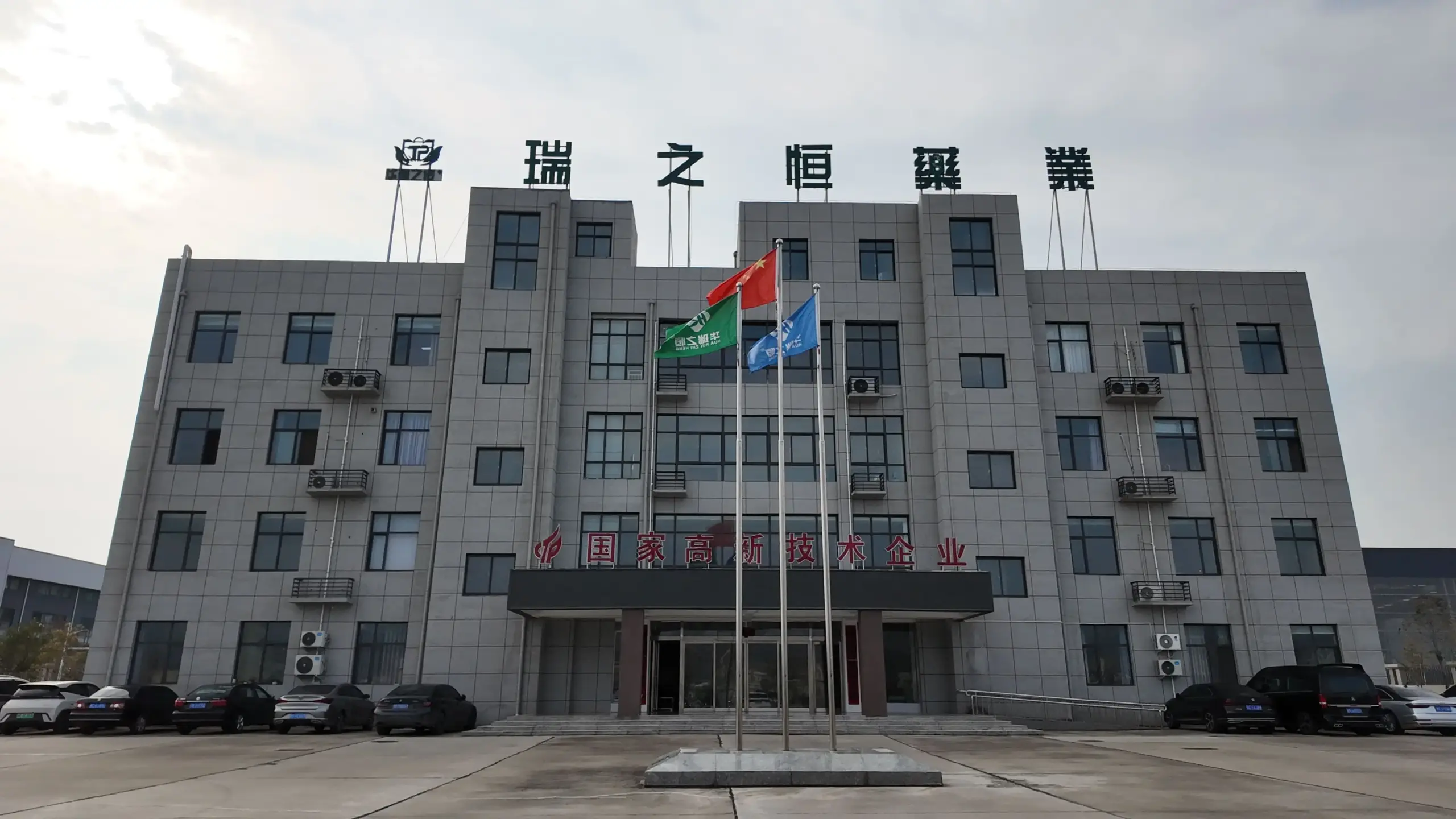
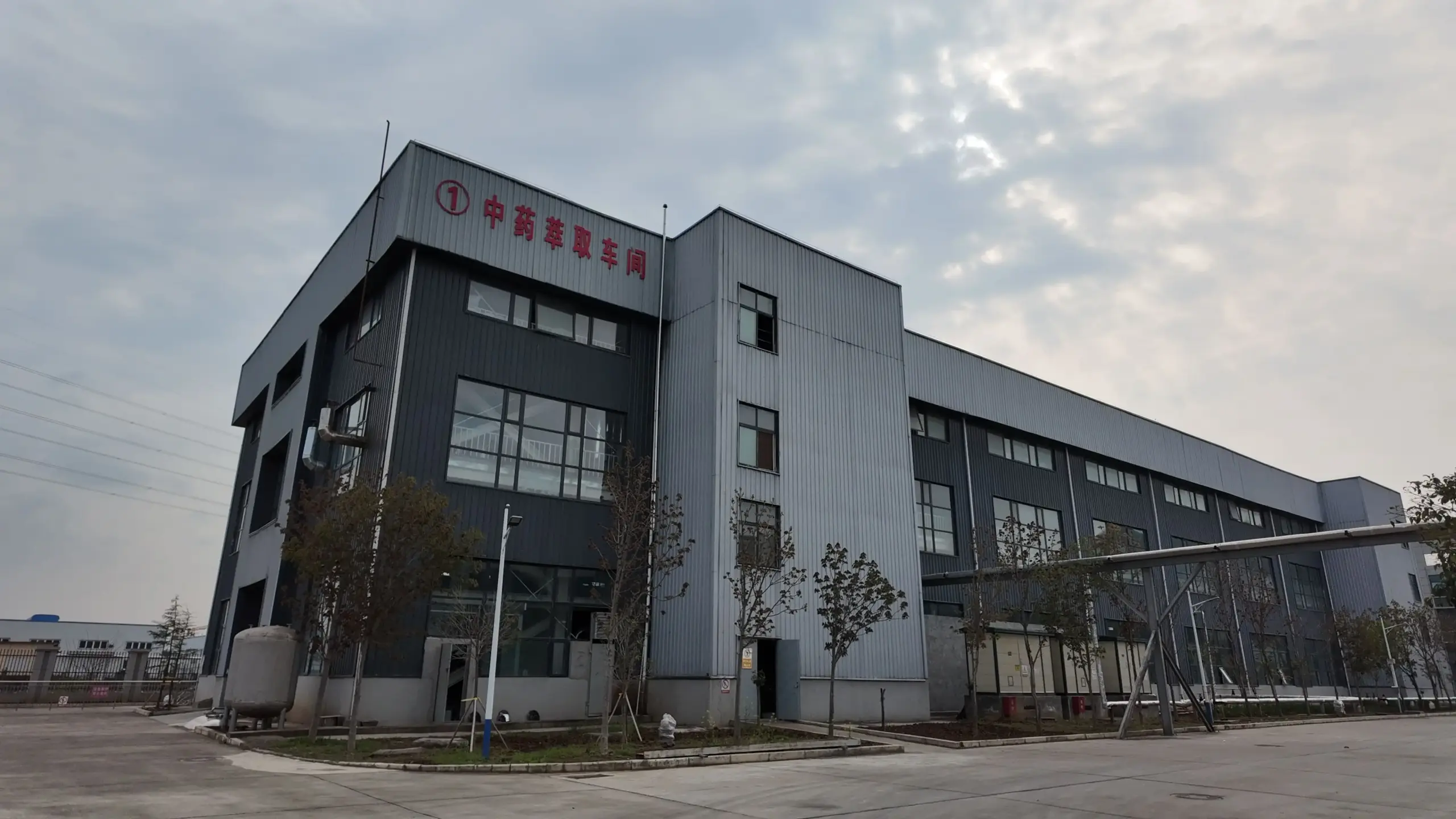
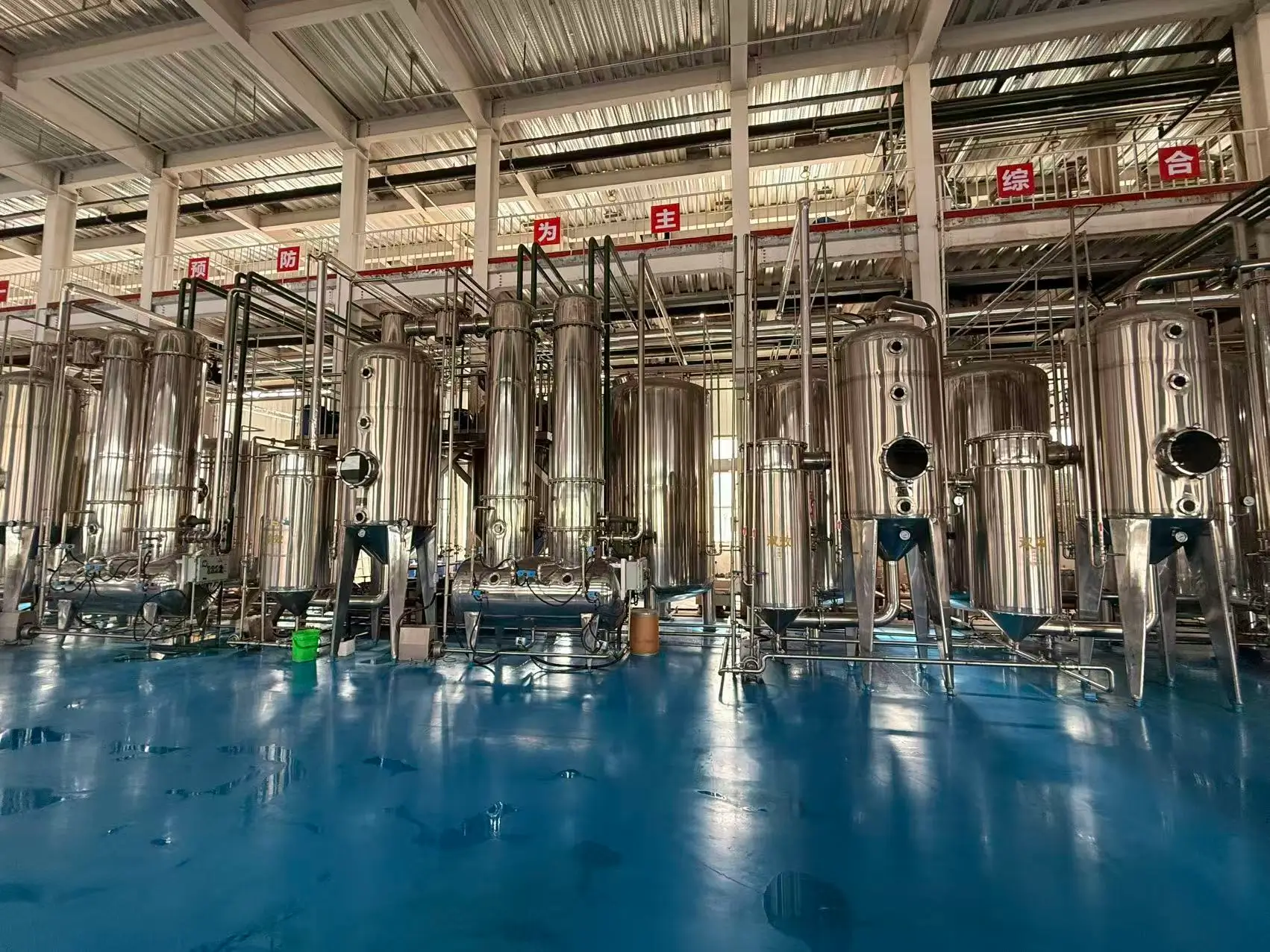
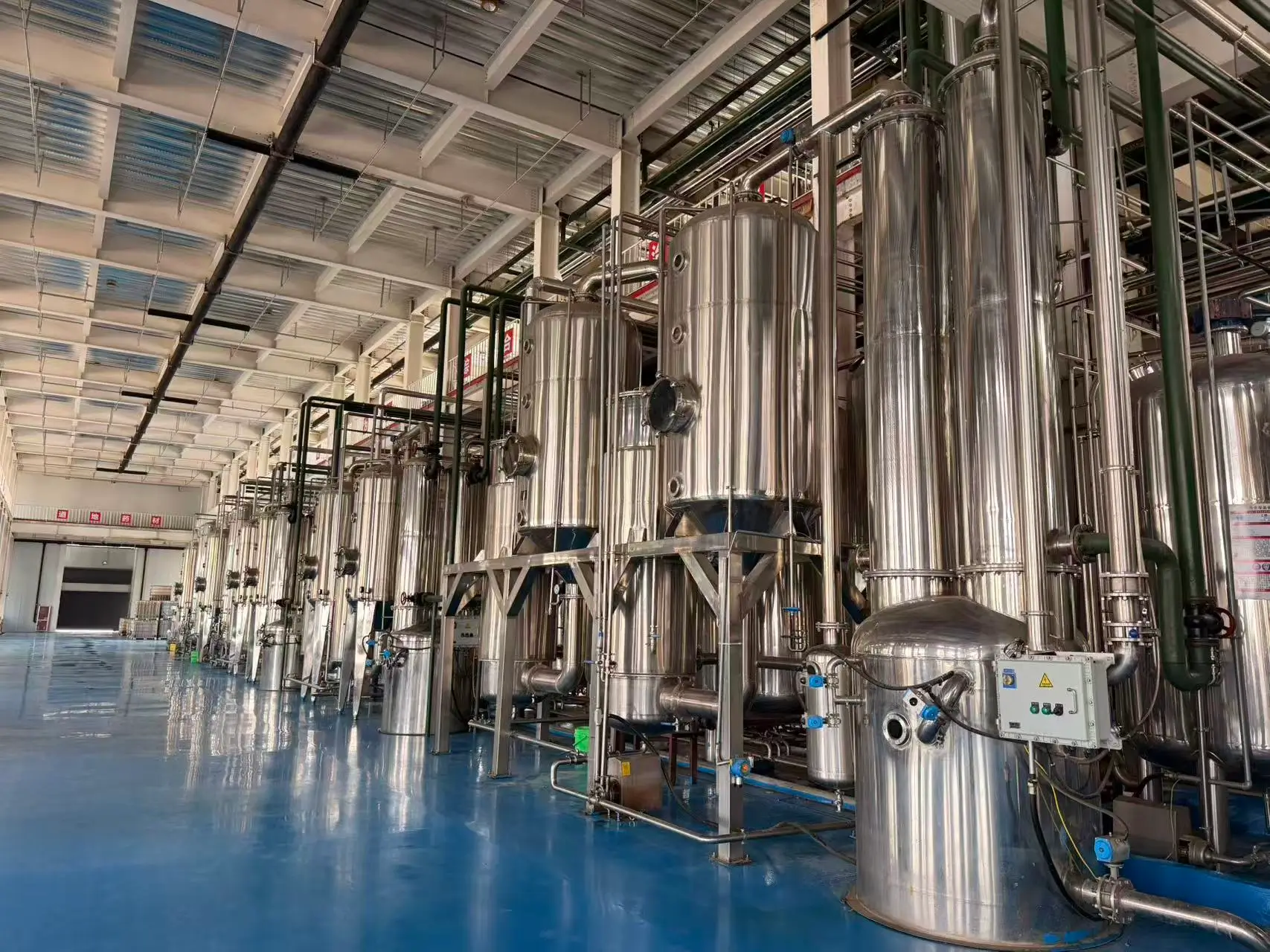
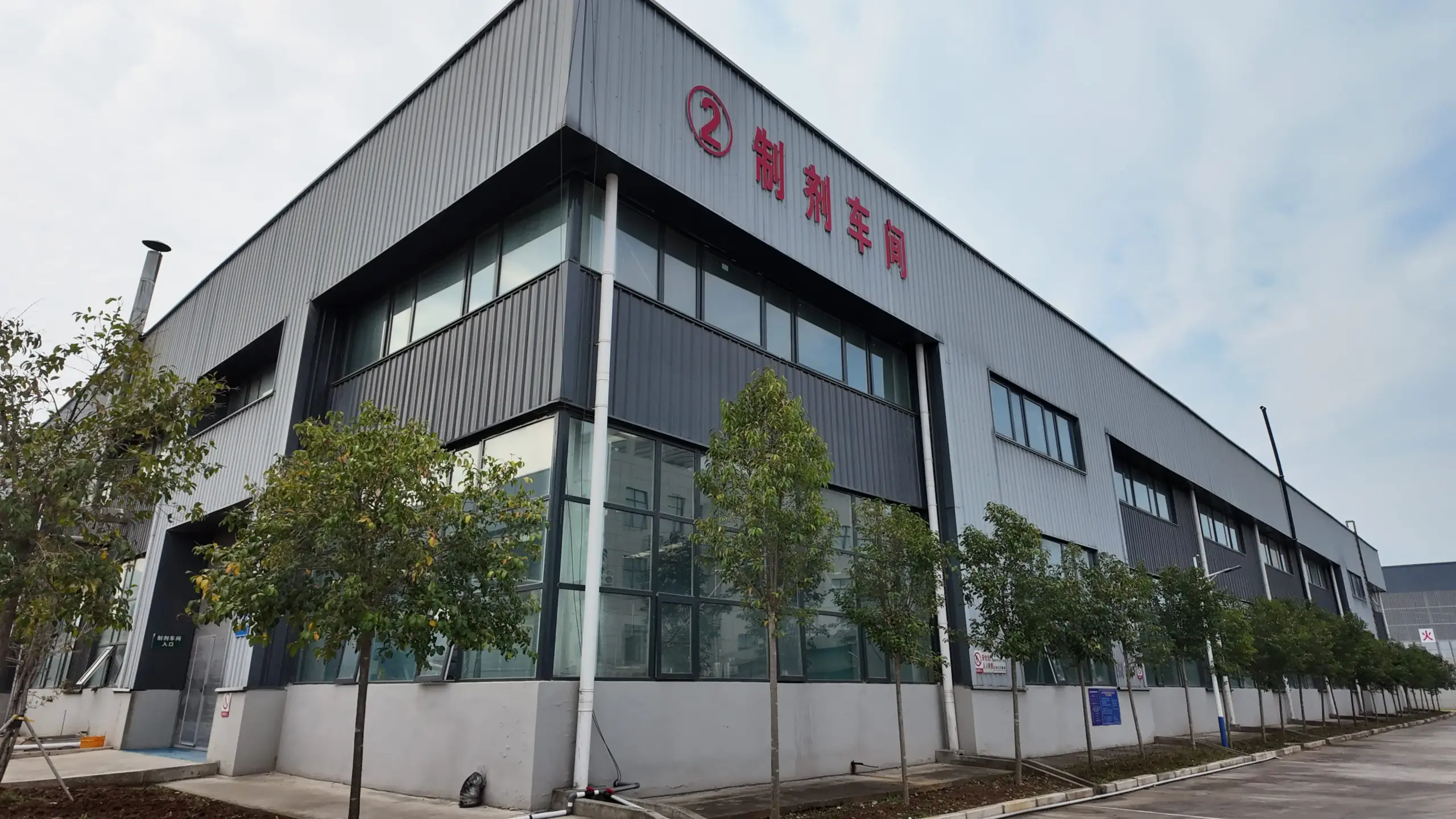
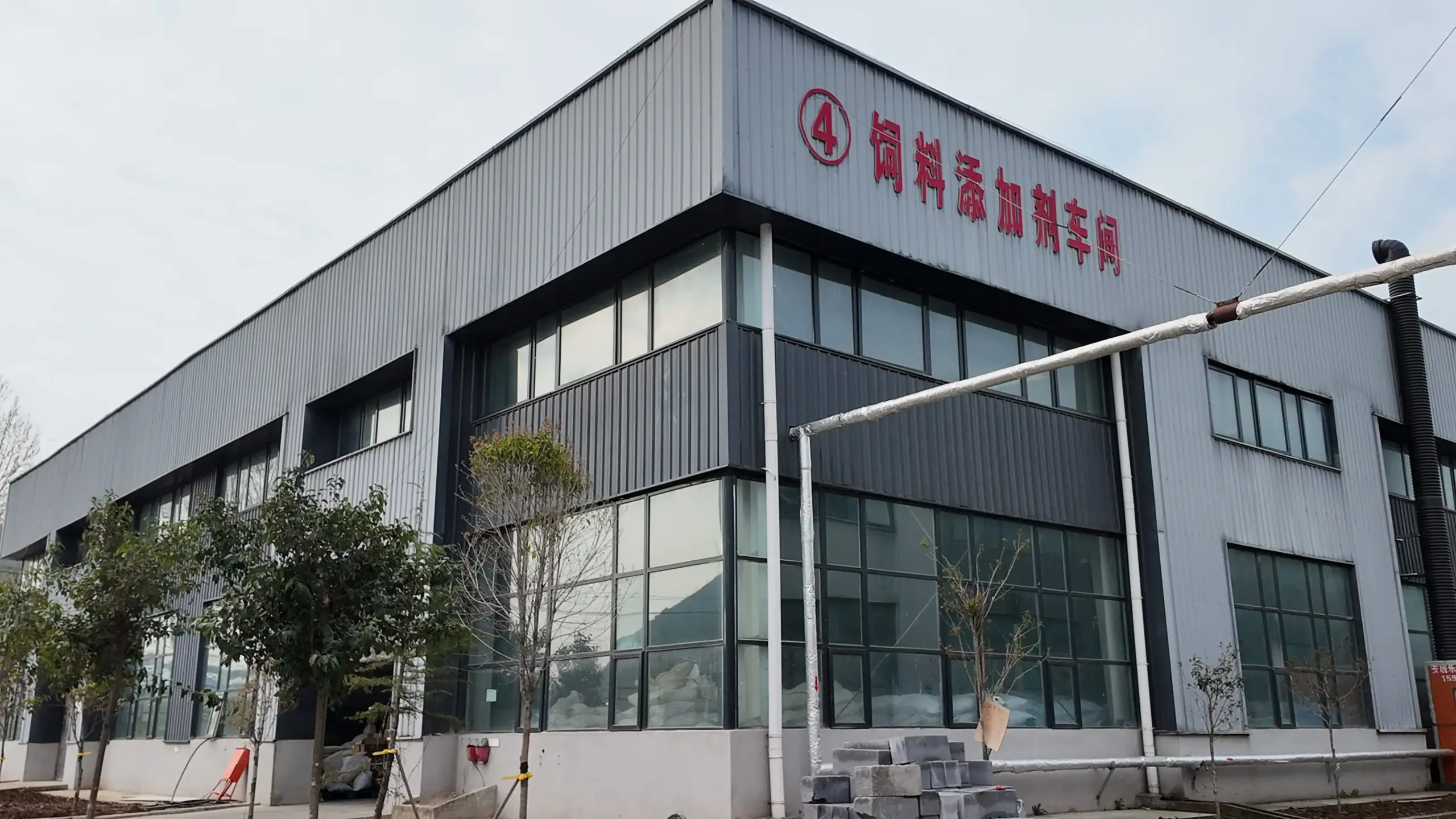
Lushi — from raw herbs to export-grade extracts, all under one roof
Our facility is located adjacent to the primary botanical cultivation zones, with a fully integratedprocessing chain covering raw herb intake, primary processing, deep extraction, and finishedproduct QC release. Annual Chinese herbal processing capacity exceeds 10,000 MT. Serving all fourapplication grades, this makes us the largest and most vertically integrated botanical extractionoperation north of the Yangtze River.
23,000m²
GMP-certified production facility
9
Extraction Vessels
10,000+MT
Annual extract capacity
GMP
Certified facility
Third-party audits welcomed
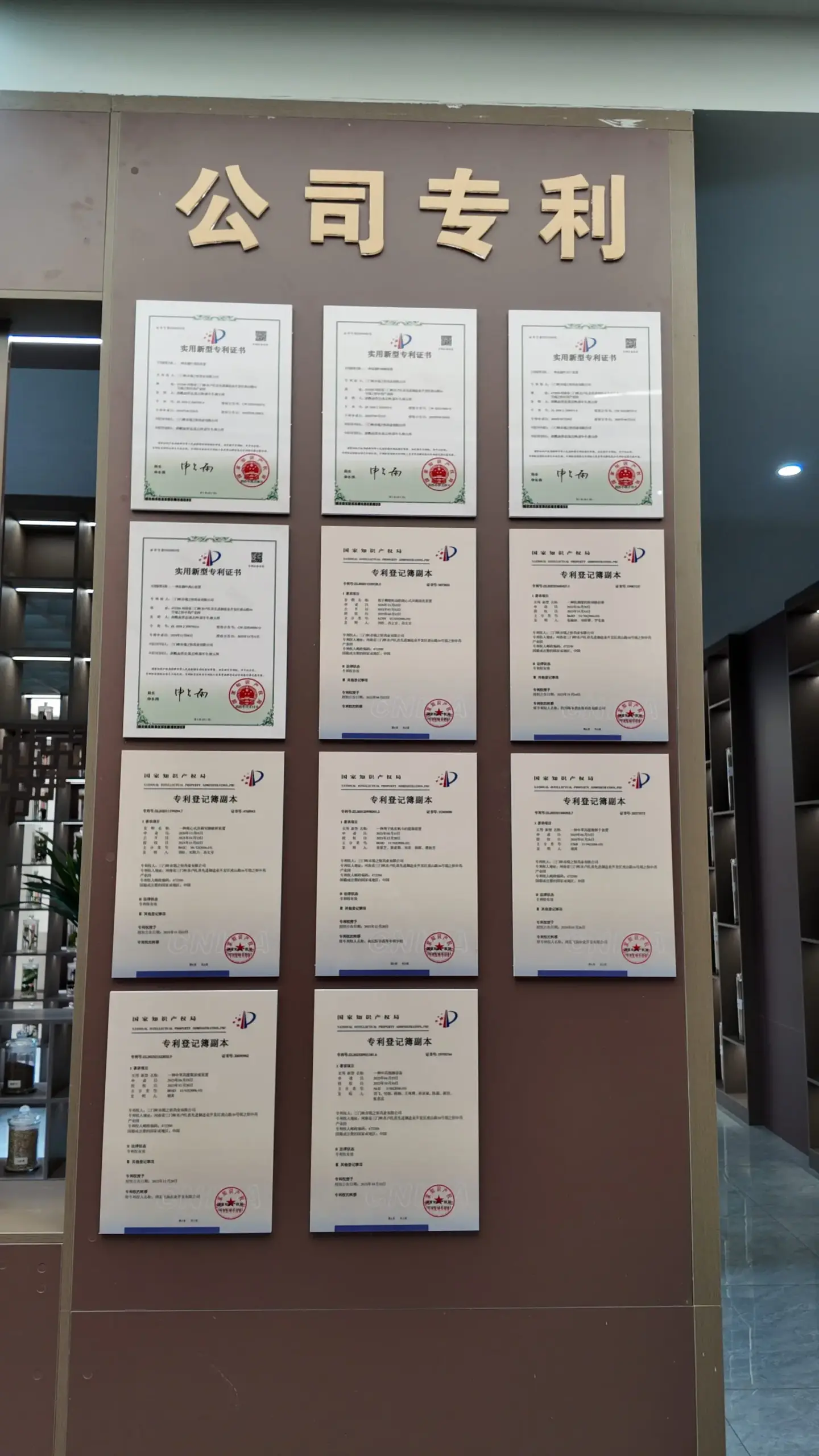
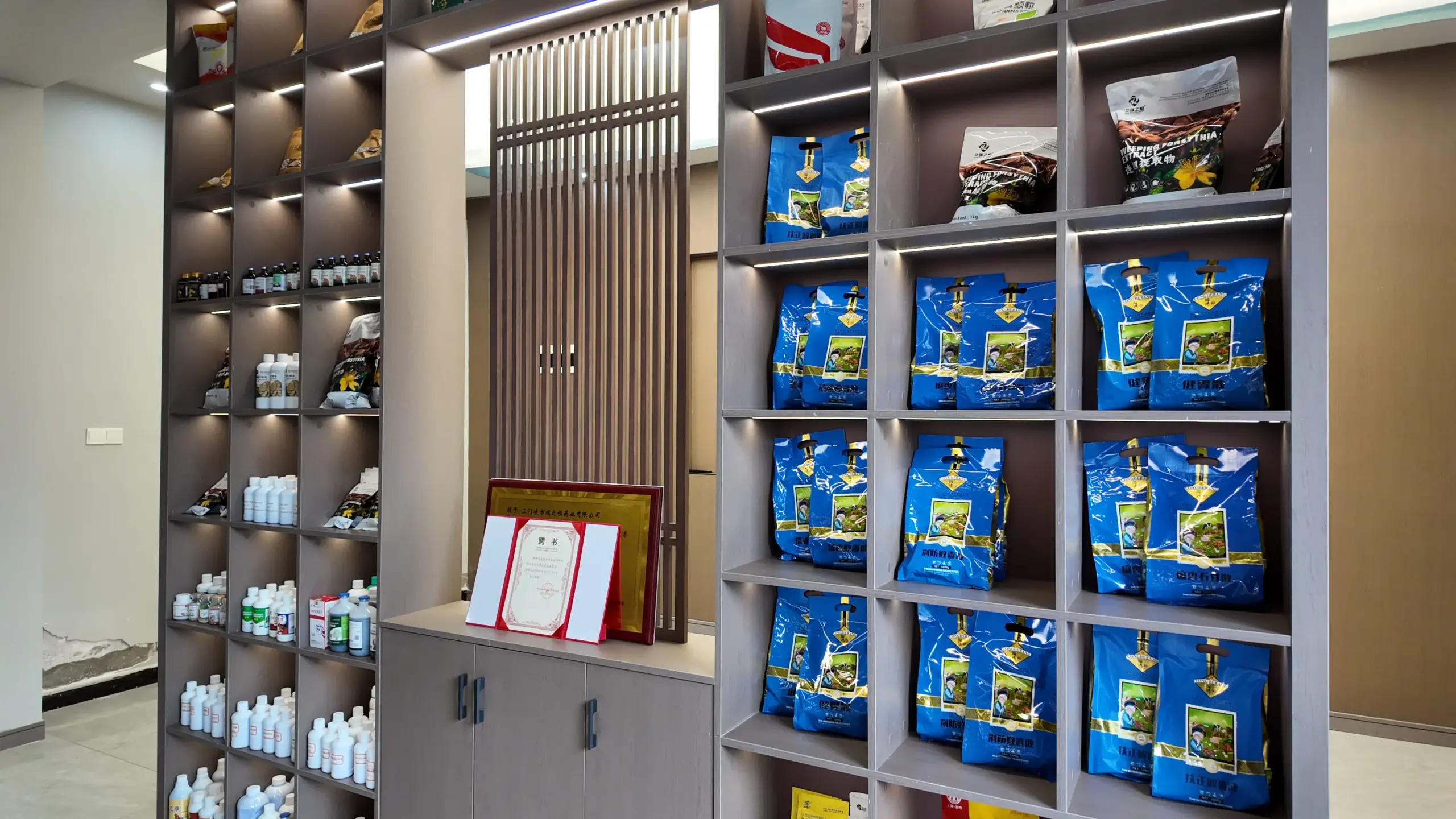
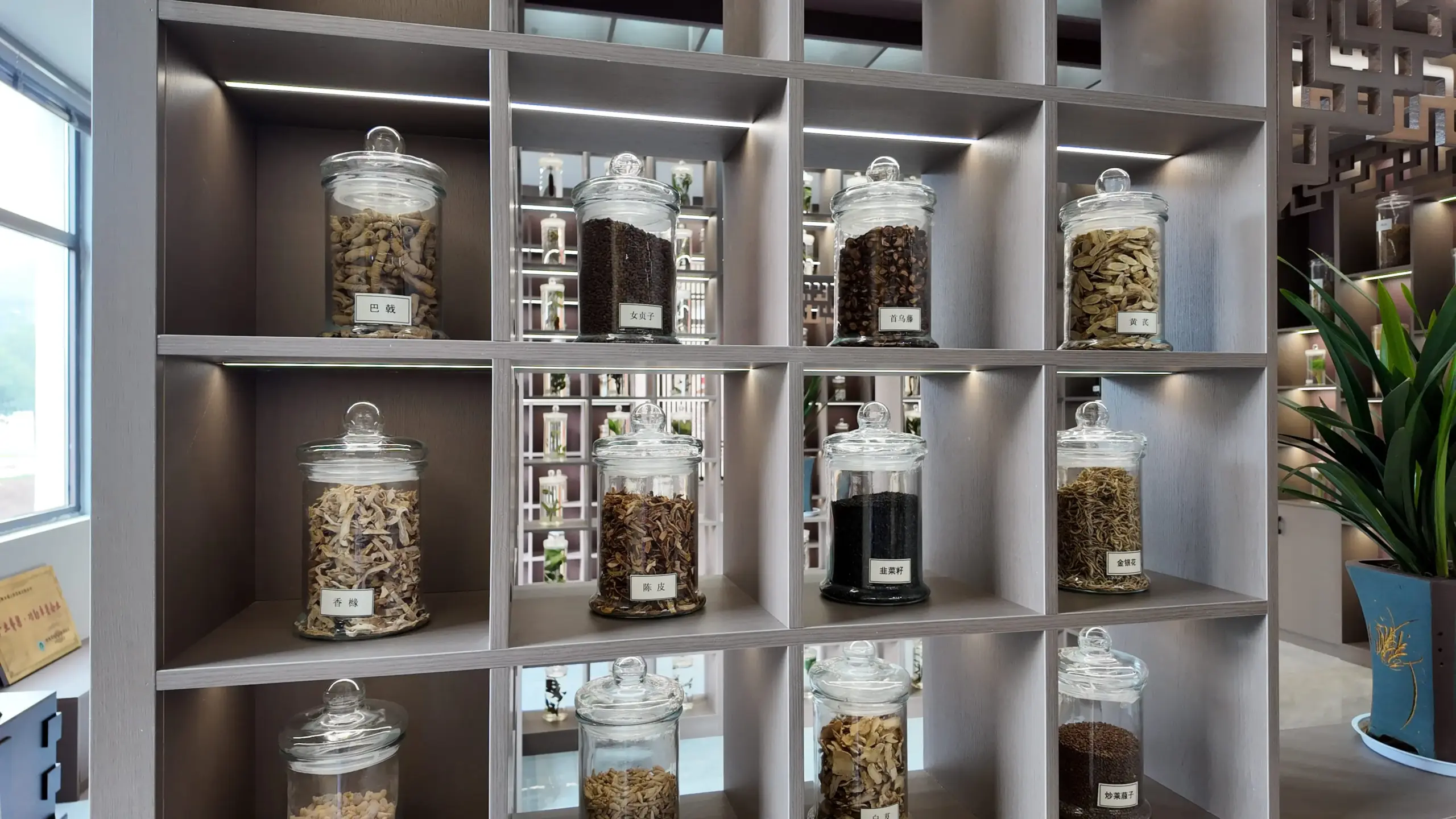
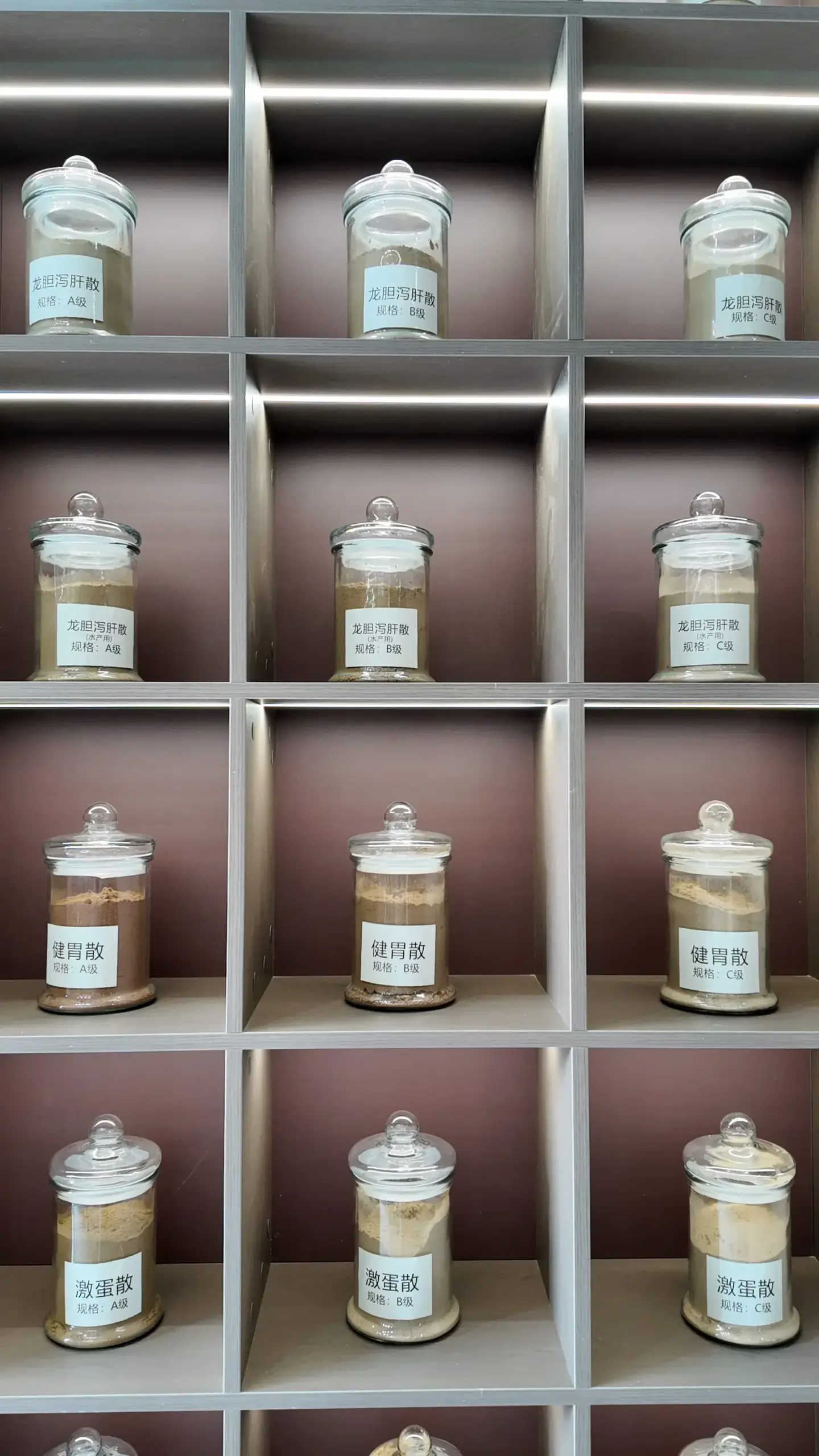
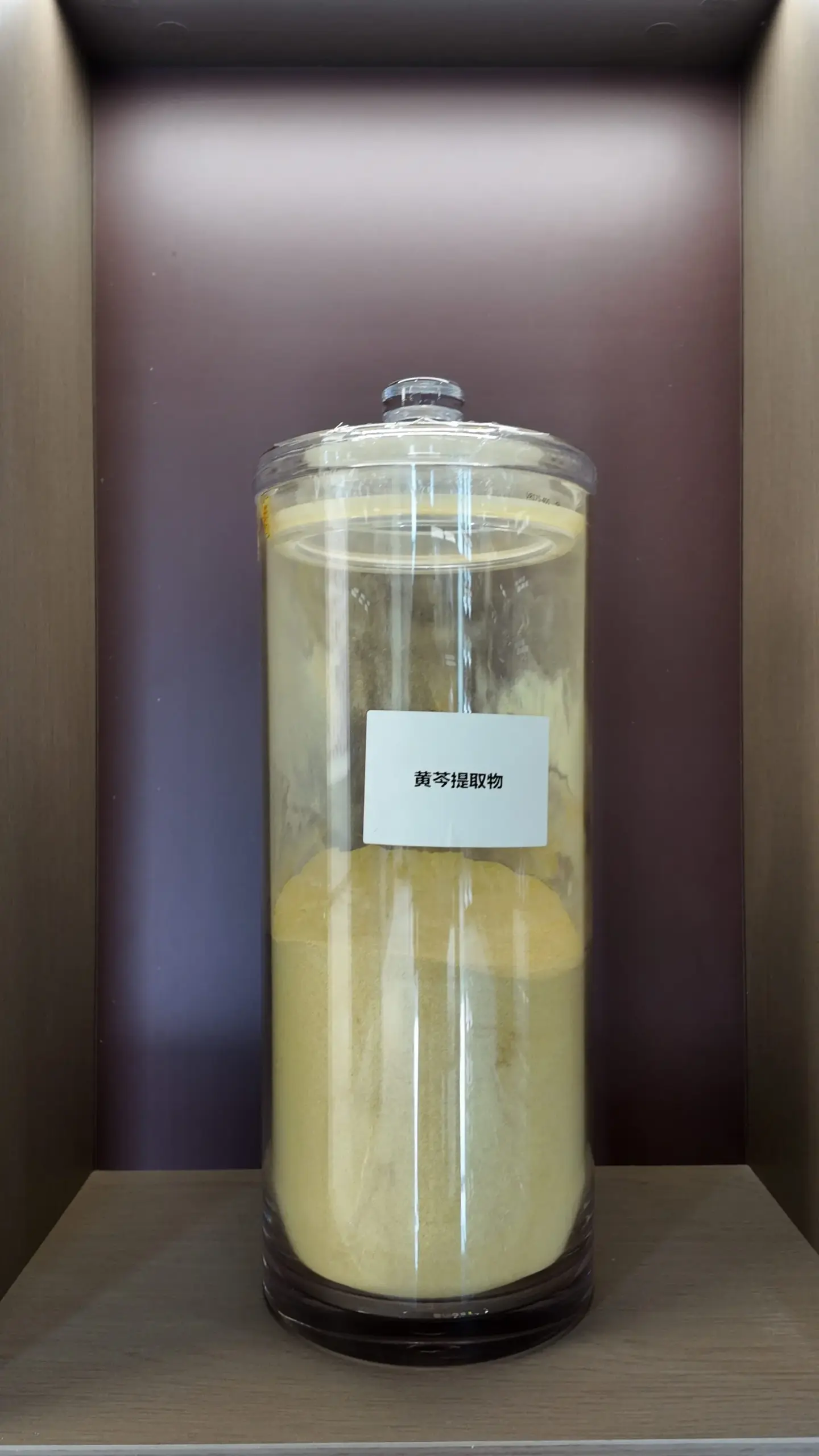
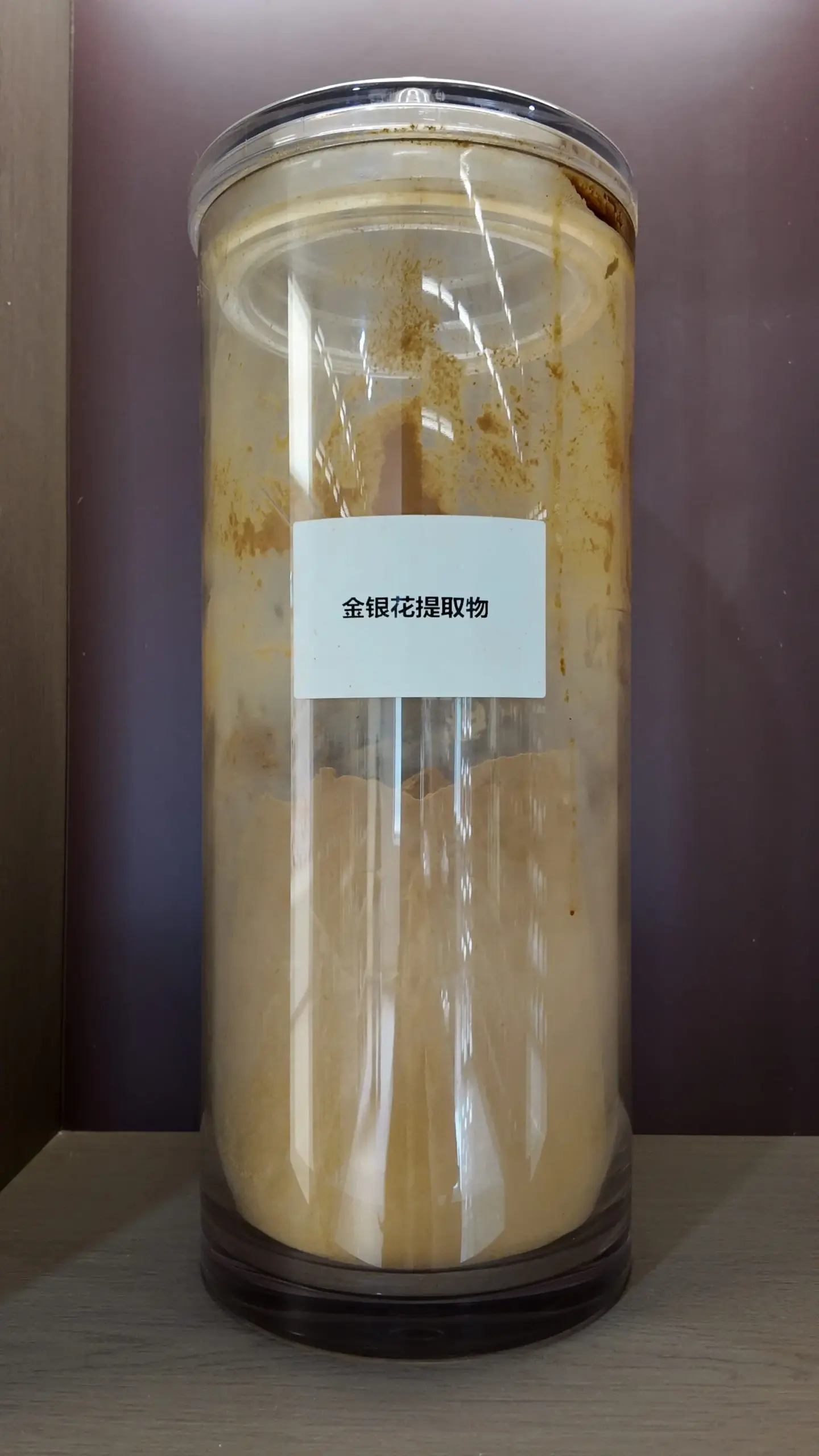
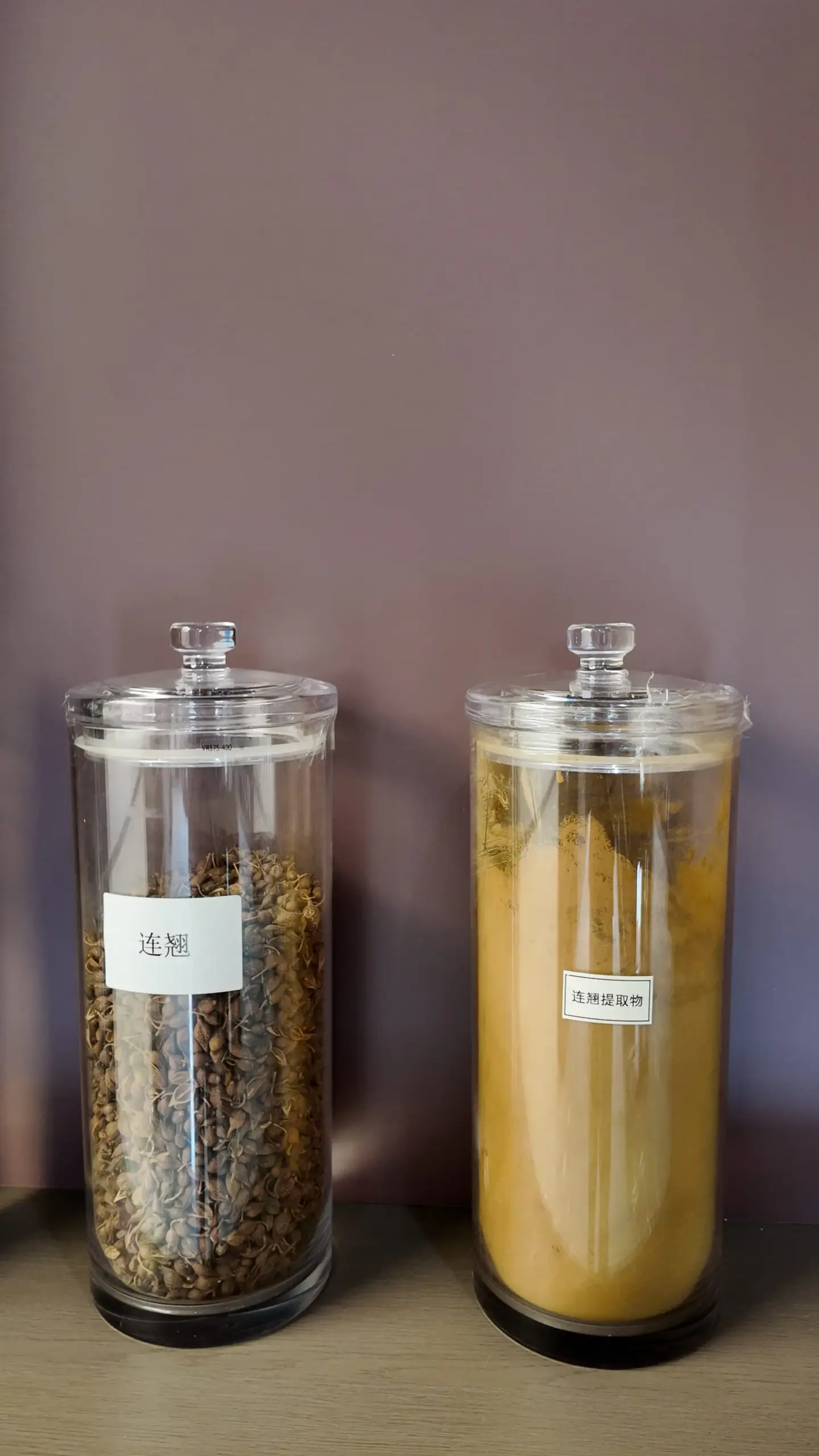
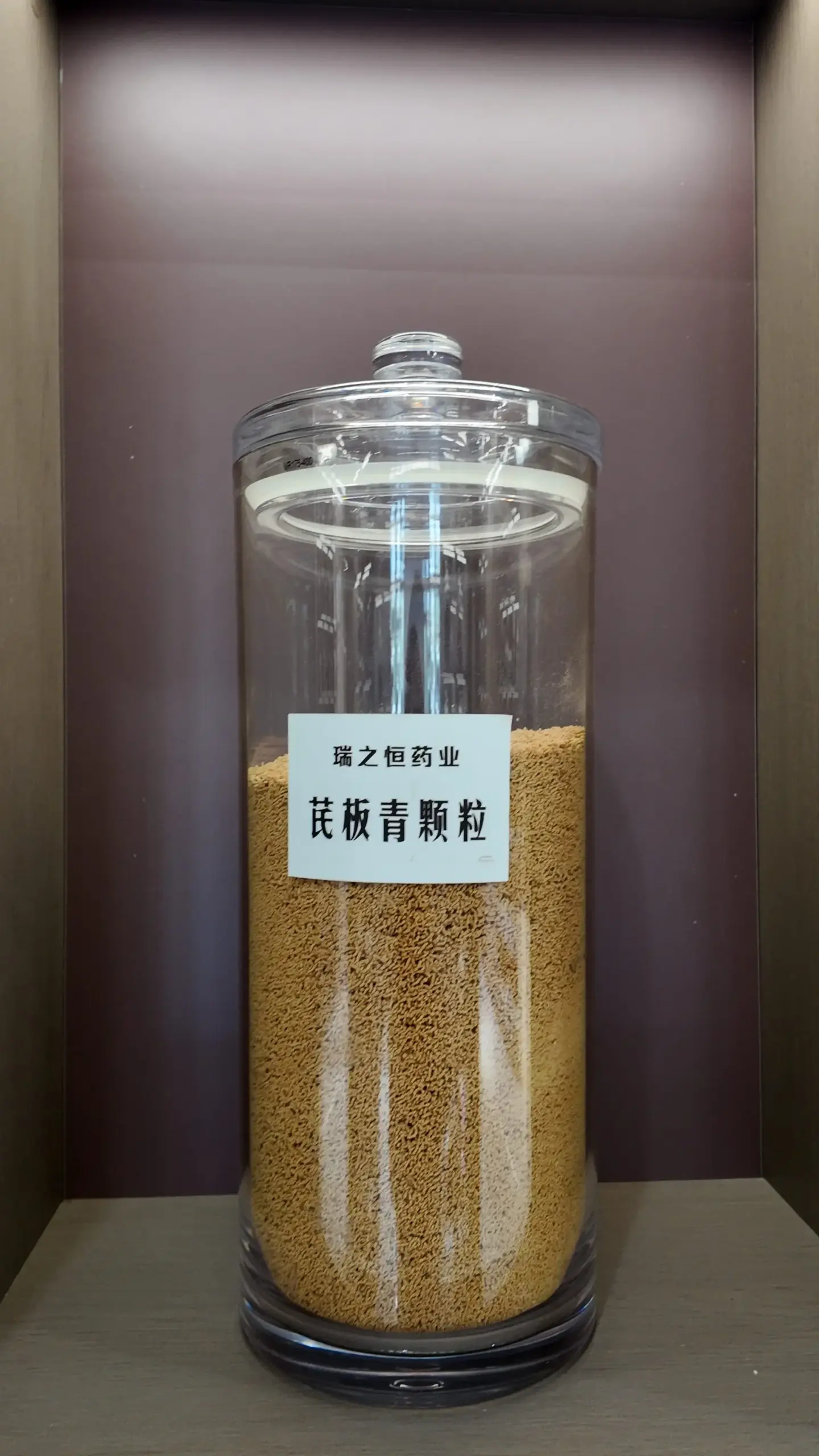
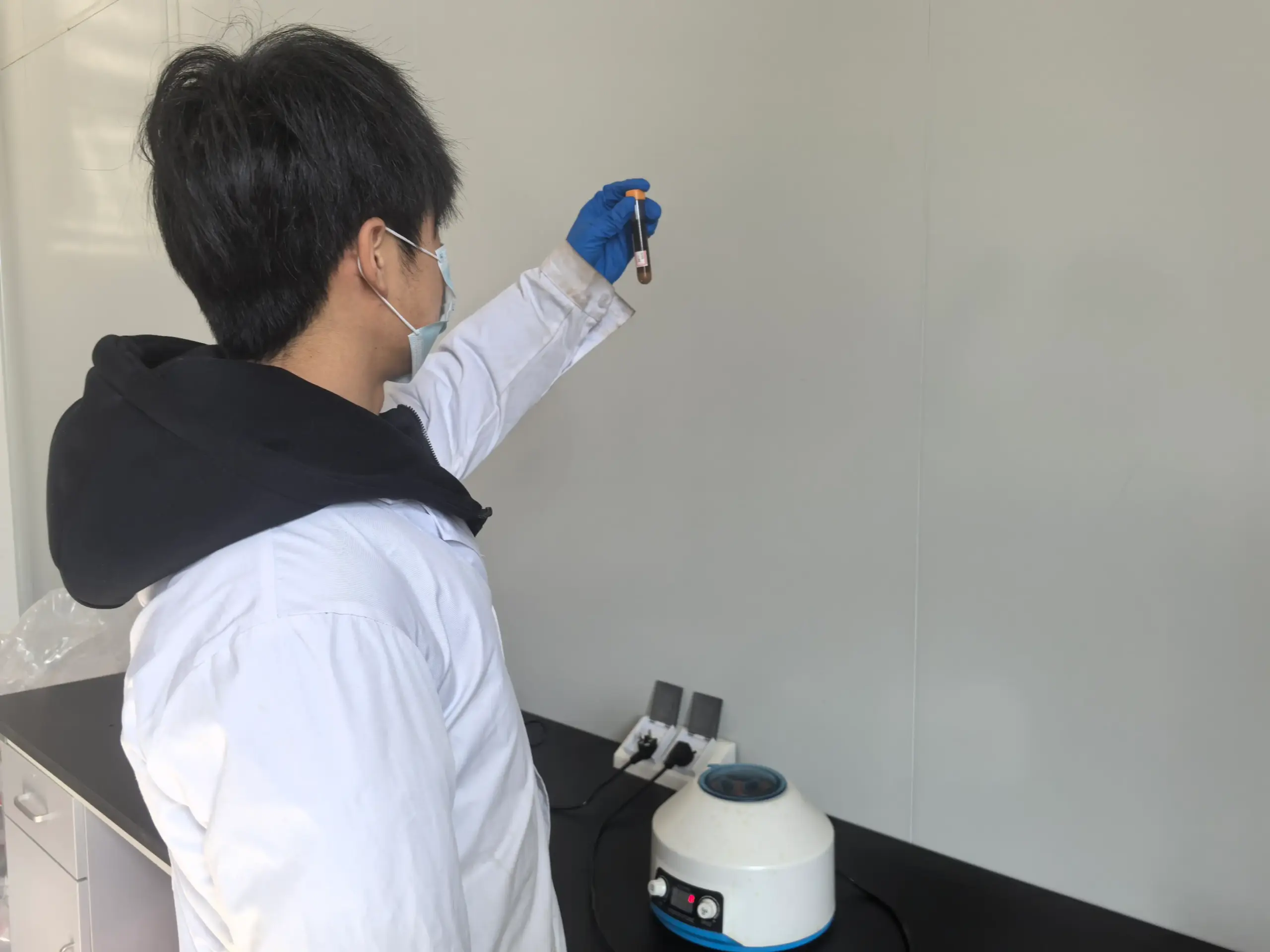
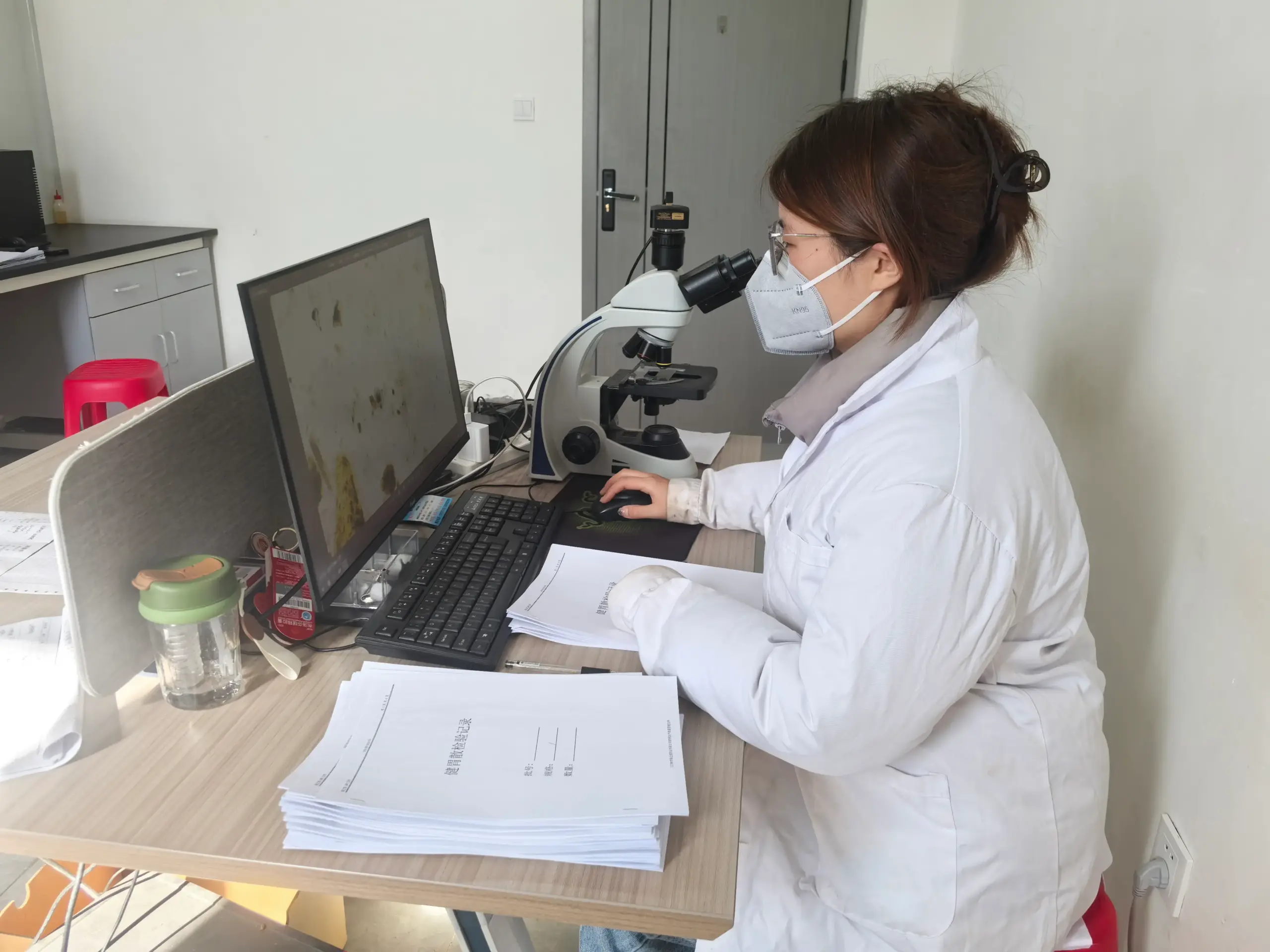
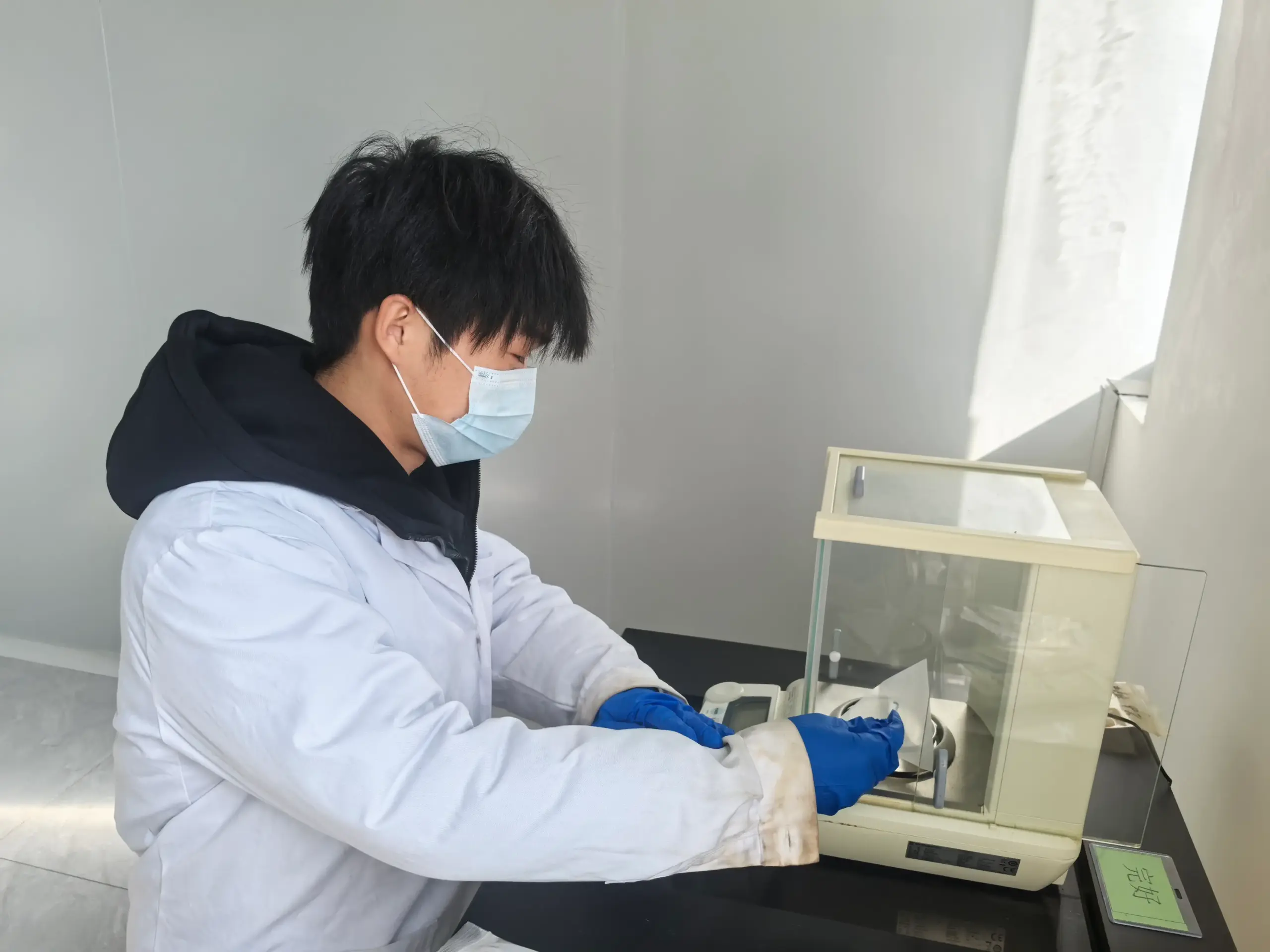
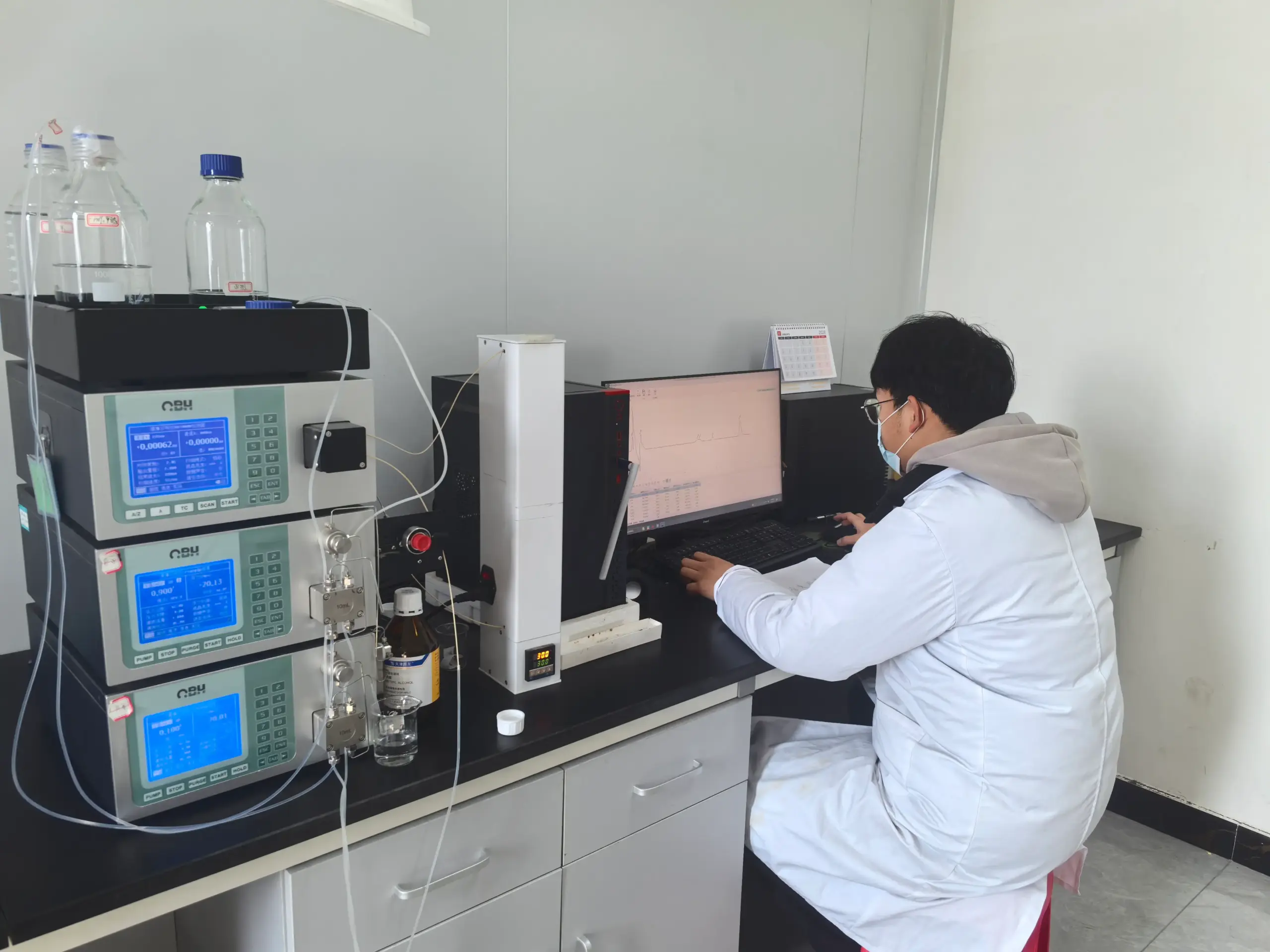
Production Flow — From Fresh Fruit to Export-Grade Extract
01
Raw Material Intake & QC
Strict botanical verification
02
Customized solvent route
03
Concentration
Low-temp evaporation
04
Excellent flow & solubility
05
CoA issued
06
Packing & Dispatch
Global express
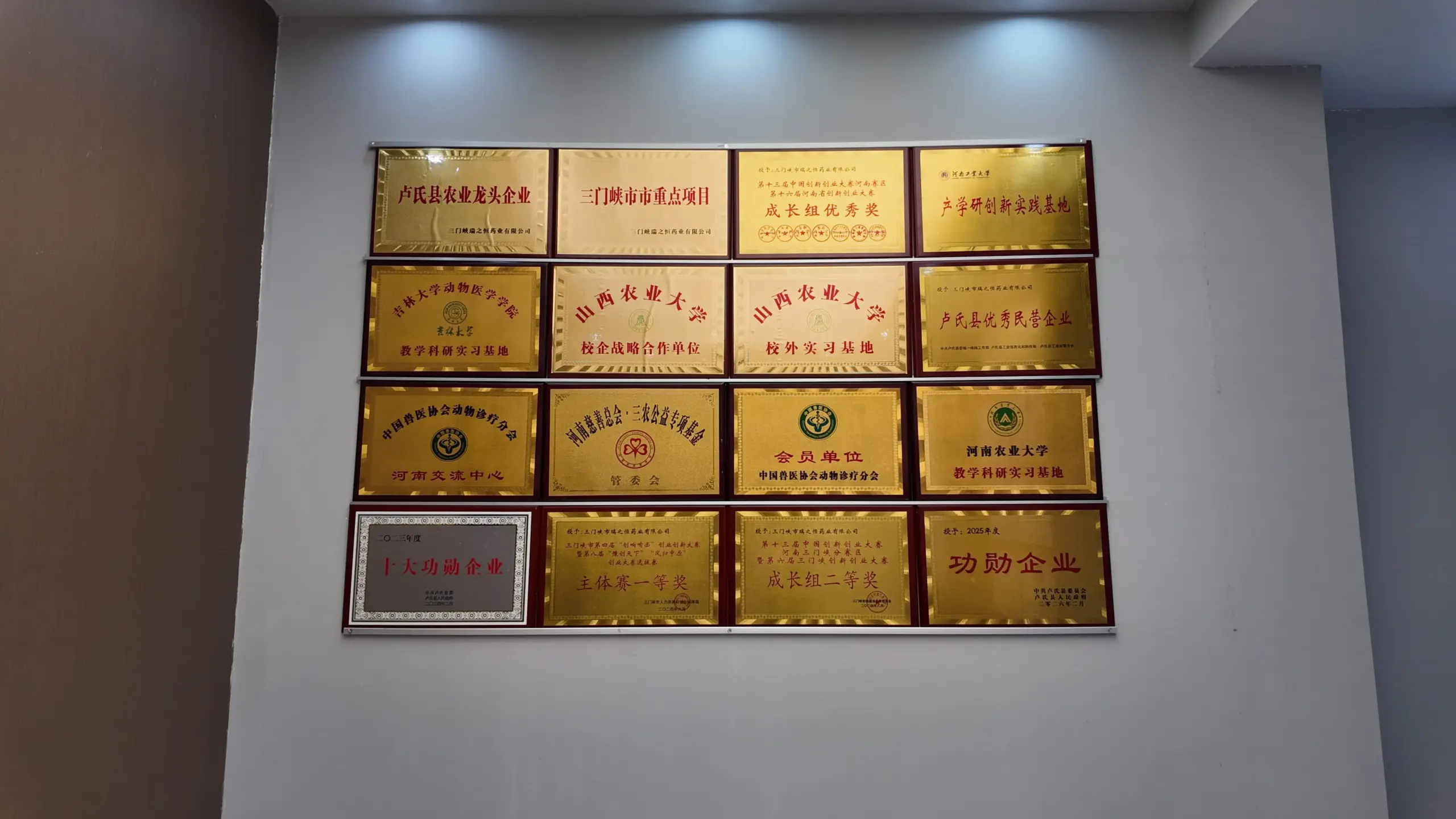
Every document you need — prepared before you ask
Each certification was pursued because it solves a specific market access or buyer qualification requirement — not as a marketing exercise. We include scope, issuing body, validity period, and the market it is relevant to for every certificate.
Need originals for your supplier approval?
We dispatch full-resolution certificate scans, notarized copies, and issuing body contact details within 24 hours of request. No registration required.
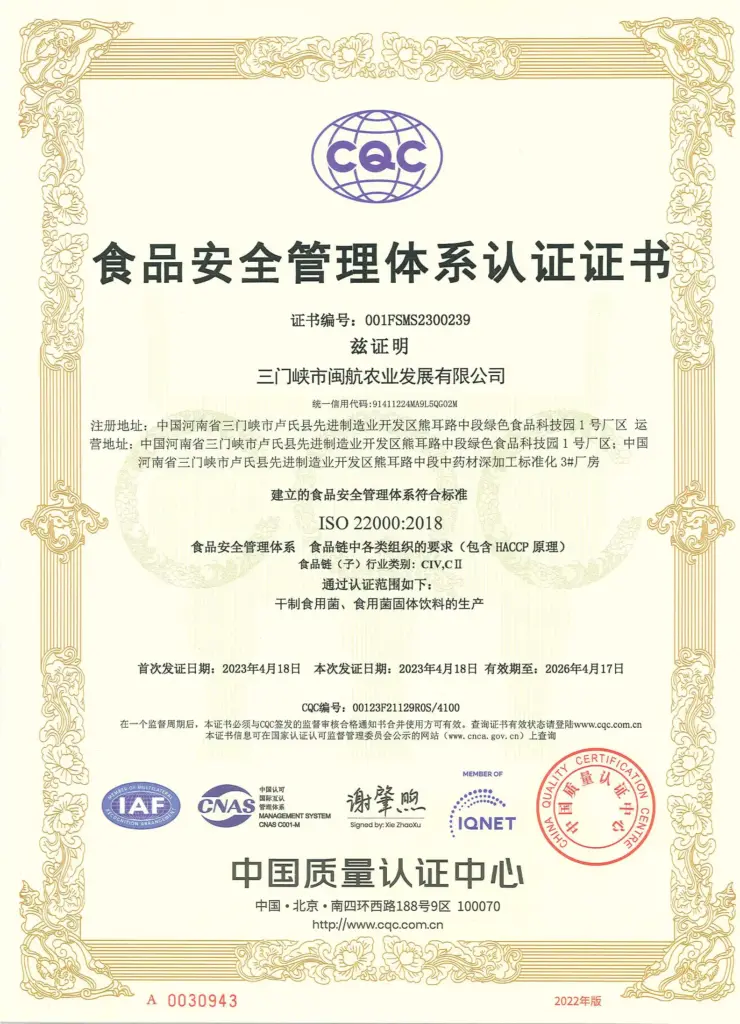
ISO 2200:2018
An internationally recognized standard for food safety management systems. This certification demonstrates our rigorous approach to identifying and controlling food safety hazards throughout the entire plant extraction process. It assures our global B2B clients in the feed additive and human health sectors that our materials meet the highest safety protocols from sourcing to final delivery.
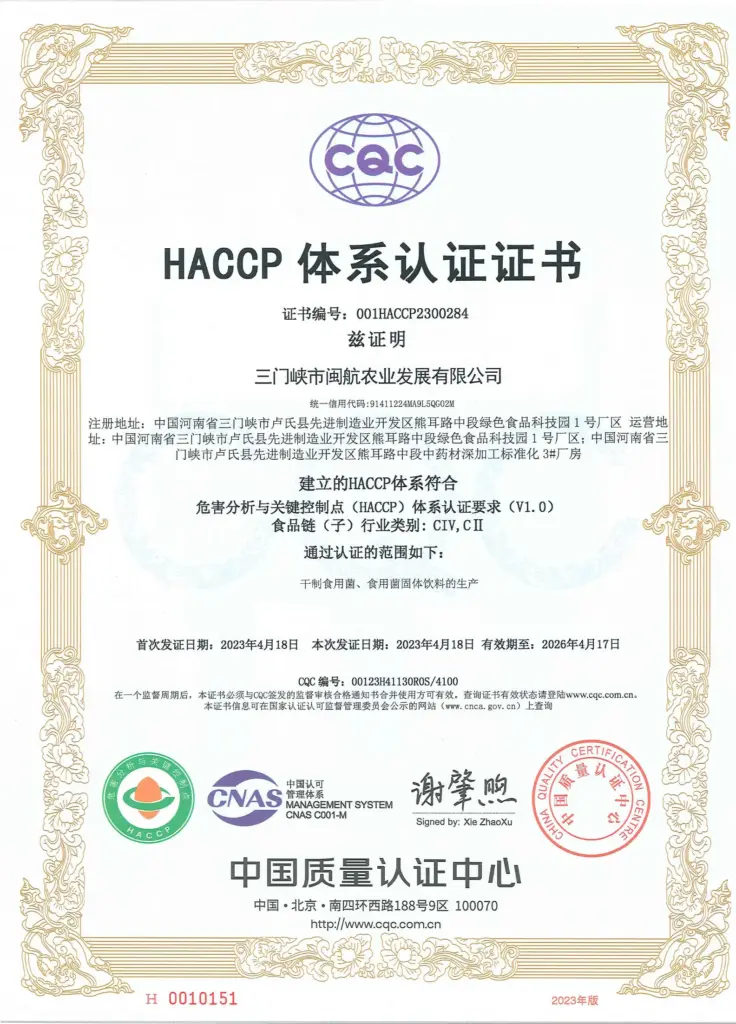
HACCP
A globally recognized systematic and preventive approach to managing biological, chemical, and physical hazards in production. By strictly monitoring critical control points during botanical extraction, we eliminate contamination risks at the source. This rigorous risk management framework is essential for clients requiring absolute purity and uncompromised safety.
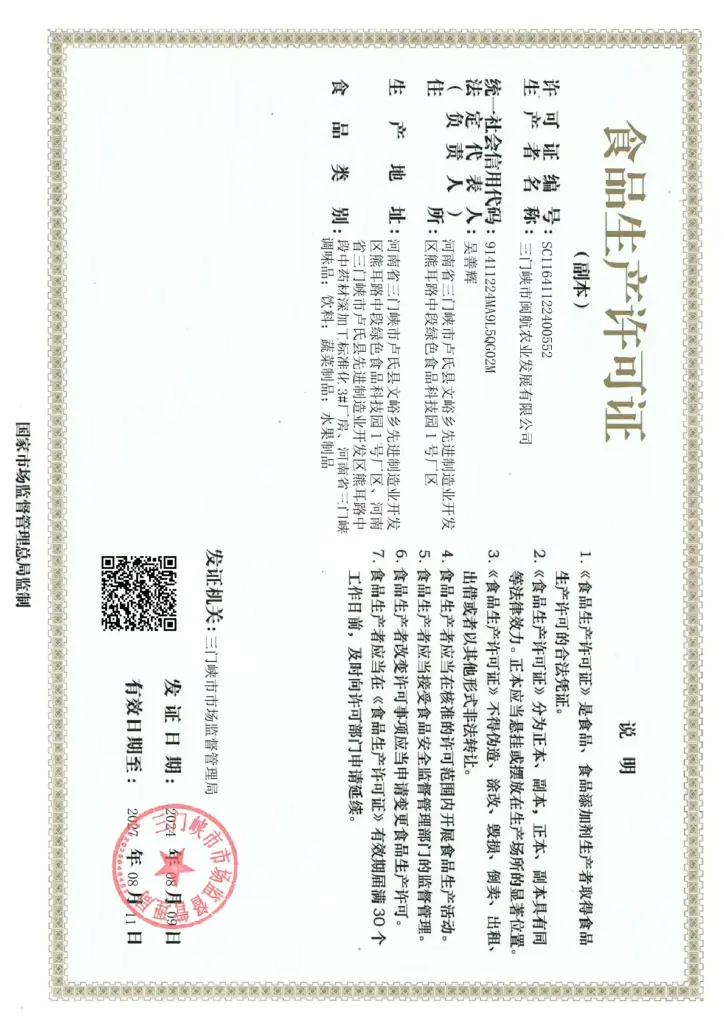
Food Production License
The mandatory official authorization issued by national market regulation authorities, legally permitting the production of food and dietary supplement ingredients. It signifies that our manufacturing facilities, sanitation protocols, and QC systems have passed stringent government inspections, ensuring our extracts are fully compliant for human health and high-end feed applications.
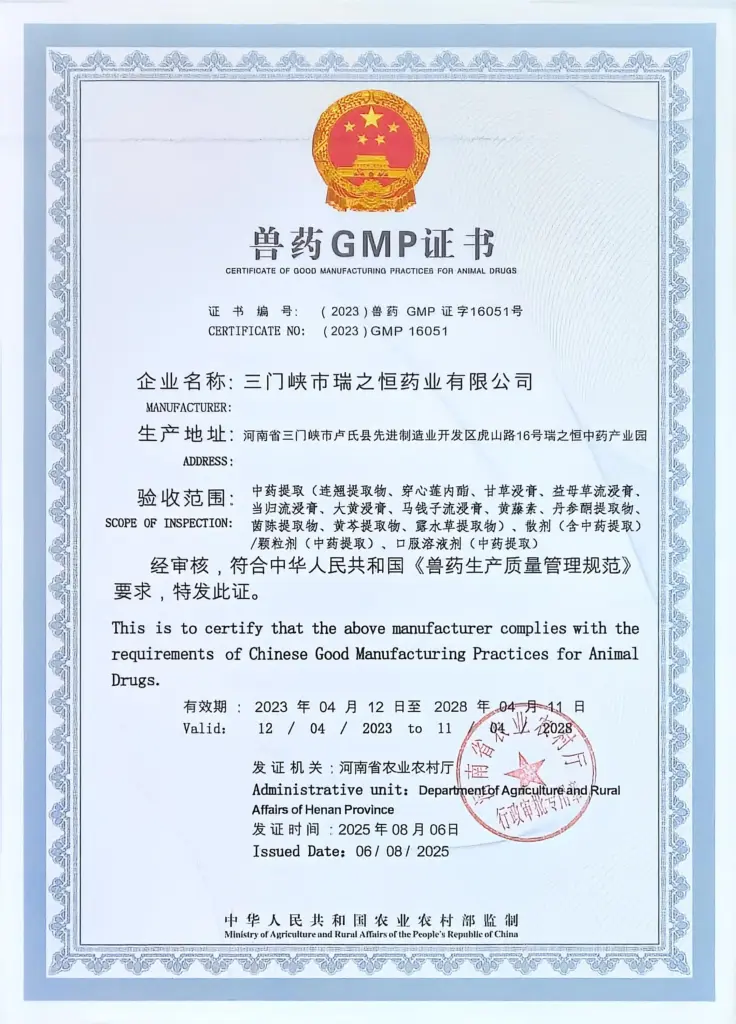
GMP Certification
Pharmaceuticalgrade manufacturing standards applied to ourbotanical extraction operations. Significantly higher than standardfood-grade requirements -required by pharmaceutical clientsand veterinary drug manufacturers using our ingredients asstarting materials. Covers process validation,equipmentcalibration,environmental monitoring, and personnel training.
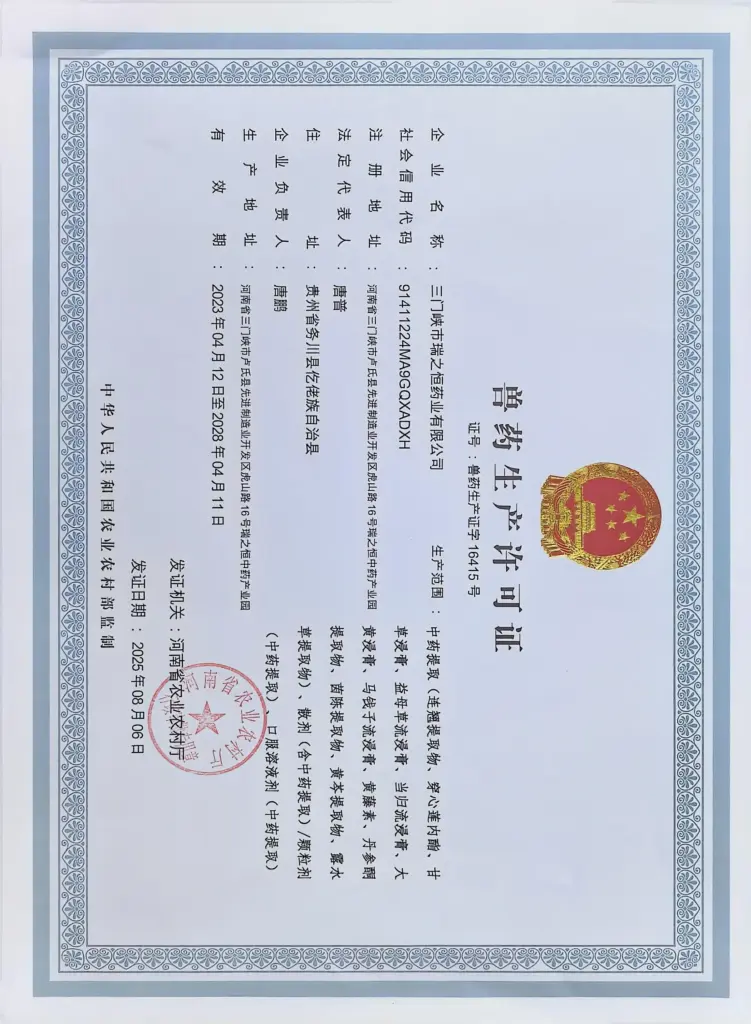
Veterinary Drug Production License
Covers the entire process of veterinary drug production, testing, storage, and release. Strictly audited and issued by the national agricultural administration, proving full compliance with Veterinary GMP standards. This is the mandatory legal prerequisite for manufacturing and distributing veterinary pharmaceutical products, ensuring all batches are safe, effective, and quality-controlled.
Business License
The fundamental legal document authorizing our corporate operations, issued by the State Administration for Market Regulation (SAMR). Verifies our registered capital, approved business scope, and legal representative. It serves as the legal foundation demonstrating full corporate legitimacy for all domestic and international commercial engagements.
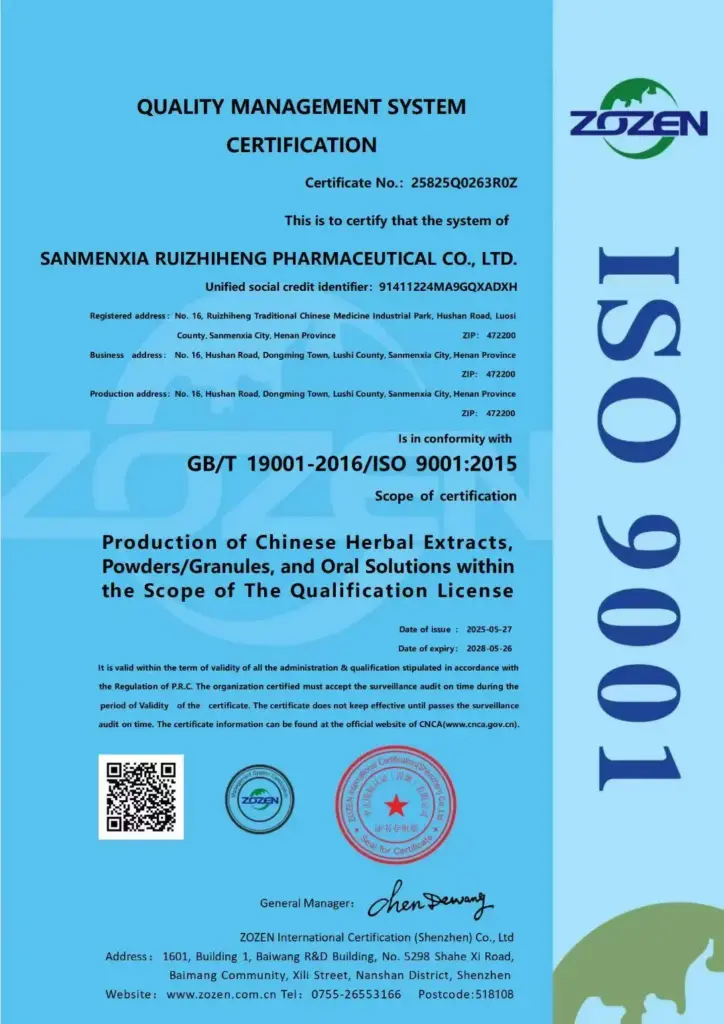
ISO 9001 : 2015
Covers all production, testing, documentation, storage, and export processes. Audited annually by an accredited third-party certification body. Zero non-conformances in the last three consecutive audit cycles. The foundation standard required by most enterprise supplier qualification programs globally.
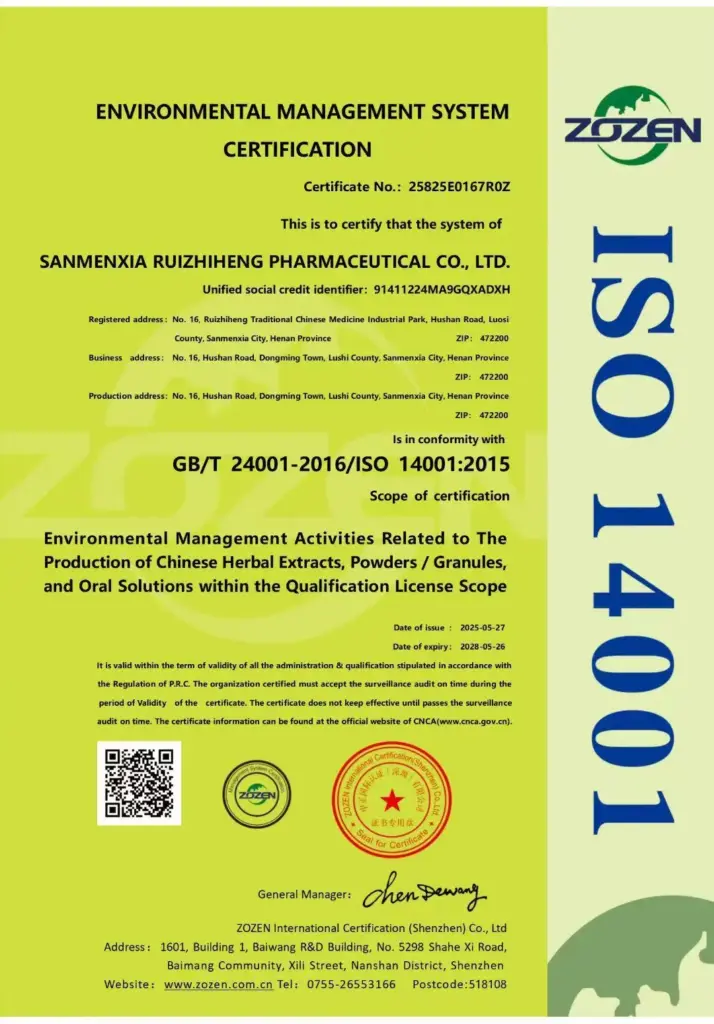
ISO 14001 : 2015
Internationally recognized standard for environmental management. Validates our commitment to minimizing our environmental footprint, reducing waste, and ensuring sustainable manufacturing practices. Covers wastewater treatment, emission controls, and resource efficiency. Essential for partnering with environmentally conscious global enterprises.
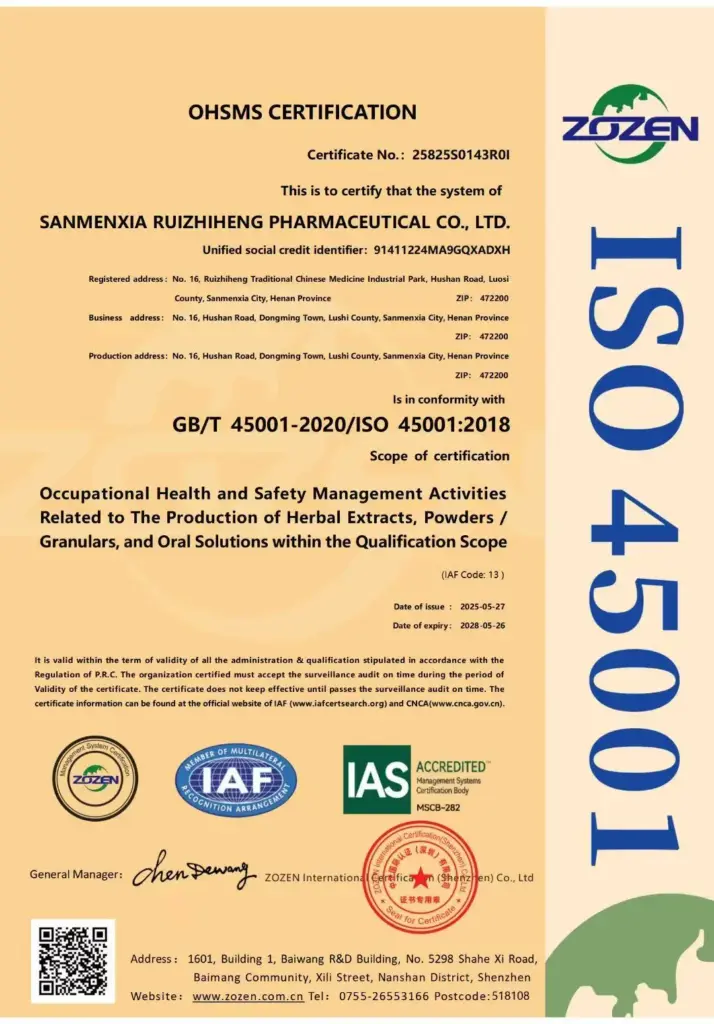
ISO 45001 : 2018
A comprehensive framework ensuring a safe and healthy workplace for all employees. Proactively prevents work-related injury and ill health through rigorous risk assessment and safety protocols. Covers hazard identification, emergency response mechanisms, and continuous safety training across all production facilities.
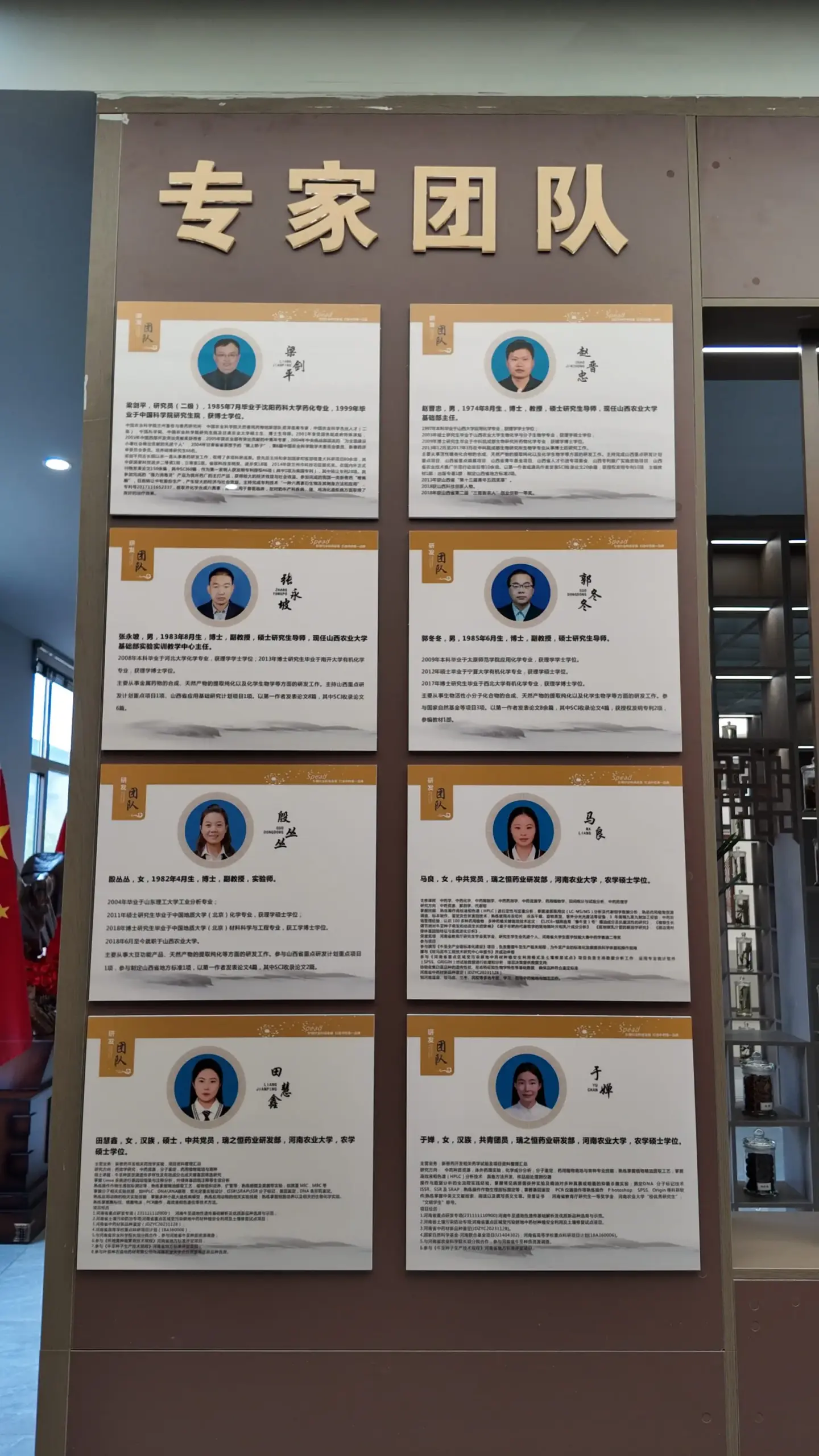
The people behind the specification
We’re not a trading company. When you have a formulation question or a quality issue, you’re talking to the person who was in the lab. Every technical claim we make is backed by someone with direct production accountability.
A note on technical support: Our team handles formulation questions, dosage guidance, regulatory documentation, and compatibility questions as part of the standard buyer relationship — not as a paid consulting service. If you have a technical question before ordering, ask us.
Prof. Dr. Zhao Jinzhong
Chief Scientific Advisor
Over 20 years of expertise in medicinal chemistry and chemical biology. Lead researcher specializing in the discovery, extraction, and functional application of bioactive plant compounds. Has authored over 70 high-impact papers in leading international journals and holds multiple patents for natural product extraction technologies.
Prof. Dr. Zhang Yongpo
Senior R&D Scientist
Specializes in organic chemistry and the targeted extraction of natural active ingredients. Leads formulation methodology and coordination chemistry research to enhance the stability and bioavailability of botanical extracts. Published extensively in leading molecular structure and inorganic chemistry journals.
Dr. Yin Congcong
Lead Analytical Scientist
Senior experimentalist bridging raw material analysis with biochemical applications. Directs advanced laboratory testing protocols and biological activity evaluations to ensure absolute batch-to-batch consistency and active compound standardization.
Dr. Guo Dongdong
Extraction Process Engineer
Expert in green chemistry and advanced organic synthesis. Focuses on scaling up laboratory extraction parameters into highly efficient, sustainable industrial production lines, optimizing solvent routes and temperature controls to maximize active ingredient yields.
Every batch tested. Every test published.
Our QC process reflects the dual-marker standard — both APS polysaccharides and Astragaloside IV on every production lot, not just on registration batches.
Incoming raw herb verification
Origin authentication, heavy metals (ICP-MS), pesticide residue (GC-MS/LC-MS), and TLC species confirmation before raw material enters production.
In-process and final product testing
Moisture, APS (UV), Astragaloside IV (HPLC), mesh size, microbiology. Final product CoA issued only after all parameters pass QA sign-off.
24-month retained sample program
Every production batch retained under controlled conditions for 24 months. Independent third-party retesting (SGS, Intertek, Bureau Veritas) accepted as binding on both sides.
QA-direct issue resolution
All quality claims handled by QA Manager — not routed through sales. Formal root-cause analysis within 5 business days. Resolution confirmed in writing before action taken.
GMP Certified
Veterinary extract facility
ISO 9001
Quality management system
Chinese Pharmacopoeia
CP 2020 full compliance
Export Certified
EU · US · SEA markets
"We publish the measured value, not just the minimum."
If APS tests at 73.4%, our CoA says 73.4% — not “≥70%”. That’s the difference between a document that proves quality and one that merely asserts it.
If APS tests at 73.4%, our CoA says 73.4% — not “≥70%”. That’s the difference between a document that proves quality and one that merely asserts it.
- Sample CoA — Astragalus, Drinking Water Grade
- Product Specification Sheet (all 4 grades)
- Heavy Metal & Pesticide Residue Panel
- GMP Facility Certificate
- Raw Herb Origin & Traceability Statement
- Stability Study Summary (24-month)
From our factory to your production line
Standard lead times, packaging options, and MOQ structure — so there are no surprises before your first order.
Sample Order
20-100g — Free Sample
Full CoA, spec sheet, and pricing indication included with every sample. Shipped globally within 48 hours of request.
-
Quantity 100g
-
Packaging Sealed foil pouch + desiccant
-
Shipping Express · SF/DHL / FedEx
-
Lead time 48 hours from request
-
Cost Free (all markets)
Trial Order
50 kg — formulation validation
Designed for formulation teams validating before committing to production volume. Available in all four application grades. Separate lot and dedicated CoA issued.
-
MOQ 50 kg per grade
-
Packaging 25kg drum (HDPE, UN-rated) or kraft bag
-
Shipping DAP / CIF · Buyer's preference
-
Lead time 7–10 business days
-
Documentation Full CoA + spec sheet
Production Order
1000 kg+ — standard commercial terms
Standard production orders available in 25 kg drums or 25 kg aluminum-lined kraft bags. Bulk pallet shipments on standard commercial trade terms.
-
MOQ 1000 kg per grade
-
Packaging 25kg drum (HDPE, UN-rated) or kraft bag
-
Shipping FOB Lanzhou / CIF destination
-
Lead time 15–20 business days (in-stock: 7 days)
-
Documentation Cool, dry · Below 25°C · Away from light
Shelf Life
24 months
Sealed, below 25°C, away from light and moisture
In-Stock Grades
All 4 grades
Drinking water · Feed mixing · Oral · Injection
Payment Terms
T/T 100%
Against B/L or CoA — negotiable for regular buyers
Private Label
Available
Custom packaging, label, spec format from 25 kg order
Questions buyers ask before placing a first order
Our technical team answers these most frequently. If yours isn’t here, ask us directly — technical consultation is a standard part of our buyer relationship, not a paid service.
What does the concentration ratio (20:1, 15:1, 10:1) actually mean? How is it verified?
The concentration ratio is a dry-weight measure: a 20:1 extract required 20 kg of dried Isatis root raw material to produce 1 kg of finished extract powder, after extraction, filtration, concentration, and drying. It reflects the overall botanical loading density of the finished product — not just the active compound percentage. We verify ratio by recording the dry weight of incoming raw material per batch and the finished extract yield, then calculating and documenting the actual ratio on the batch record and CoA. This makes the ratio independently auditable: if our incoming raw weight and finished product weight don’t produce the declared ratio within our validated tolerance, the batch is investigated before release.
What is epigoitrin and why is it the CP 2020 marker for Isatis root?
Epigoitrin (R-goitrin, chemical name: (R)-5-vinyloxazolidine-2-thione) is a thiazolidine alkaloid derived from the glucosinolate sinigrin by enzymatic hydrolysis. It was selected as the CP 2020 legal marker for Radix Isatidis because it is structurally specific to the Brassicaceae family, traceable to Isatis indigotica rather than adulterant species, and quantifiable by HPLC-DAD with a well-validated method. Its antiviral mechanism is documented: epigoitrin inhibits influenza neuraminidase and has been shown to reduce viral replication in A and B influenza strains in vitro. However, it represents one part of the antiviral profile — indirubin, indigo, and nucleosides each contribute additional mechanisms. We report epigoitrin as the primary marker because it’s the CP 2020 requirement, but the full bioactivity of the extract reflects all constituent classes.
What additional testing applies specifically to injection-grade material?
Injection grade (20:1) requires a full suite of parenteral-specific testing in addition to the standard QC panel. Sterility testing per CP 2020 (membrane filtration method for liquids, direct inoculation for solids). Endotoxin (bacterial endotoxin test, LAL method): ≤0.25 EU/mg. Subvisible particulates per CP 2020 injection preparation requirements. Pyrogen testing (rabbit pyrogen test or monocyte activation test depending on destination pharmacopoeia). All injection-grade production is carried out in our ISO 8 classified cleanroom with continuous environmental monitoring (viable and non-viable particulate counts). The cleanroom is physically separated from oral and feed production areas with separate HVAC, gowning, and personnel flow. Cleaning validation documentation is available for qualified pharmaceutical manufacturer audits.
Is Isatis root extract safe for long-term daily use in animals? Are there withdrawal period concerns?
Isatis root has a long history of use in Chinese veterinary medicine without documented toxicological concerns at recommended doses. The compound epigoitrin is a goitrogen at high doses (hence the name), but in vivo studies confirm that epigoitrin at typical inclusion rates in drinking-water programs does not produce measurable thyroid disruption in poultry or swine. For drinking-water dosing in poultry at typical 5–7 day program lengths, no withdrawal period concerns have been documented in published literature. However, regulatory status varies by market and species: in the EU, botanical feed materials under Reg. 767/2009 are not subject to withdrawal period requirements as long as no efficacy claims are made, but national competent authorities may interpret this differently. Our technical team can provide the relevant regulatory guidance notes and available safety data for your specific target species and market.
How does the extract perform in cosmetic formulations? What pH range is compatible?
Our oral-grade extract (15:1) is used in cosmetic applications after standard formulation adaptation. Key parameters: the extract is water-soluble and compatible with aqueous and hydroalcoholic formulation bases. Stable pH range: 4.5–8.0 — compatible with most skincare formulations. The indirubin and indigo content produces a slight blue-grey tint at higher inclusion rates (above approximately 0.5% w/w); formulation teams typically work at 0.1–0.3% inclusion where the tint is minimal. Compatibility testing with common preservatives (phenoxyethanol, benzyl alcohol) and emulsifiers has been conducted — results available on request. Residual solvent levels comply with ICH Q3C class 3 limits. We can supply a cosmetic-specific technical dossier including INCI designation guidance, safety assessment data summary, and regulatory notes for EU Cosmetics Regulation (1223/2009) compliant formulations.
What documentation is included with each production batch?
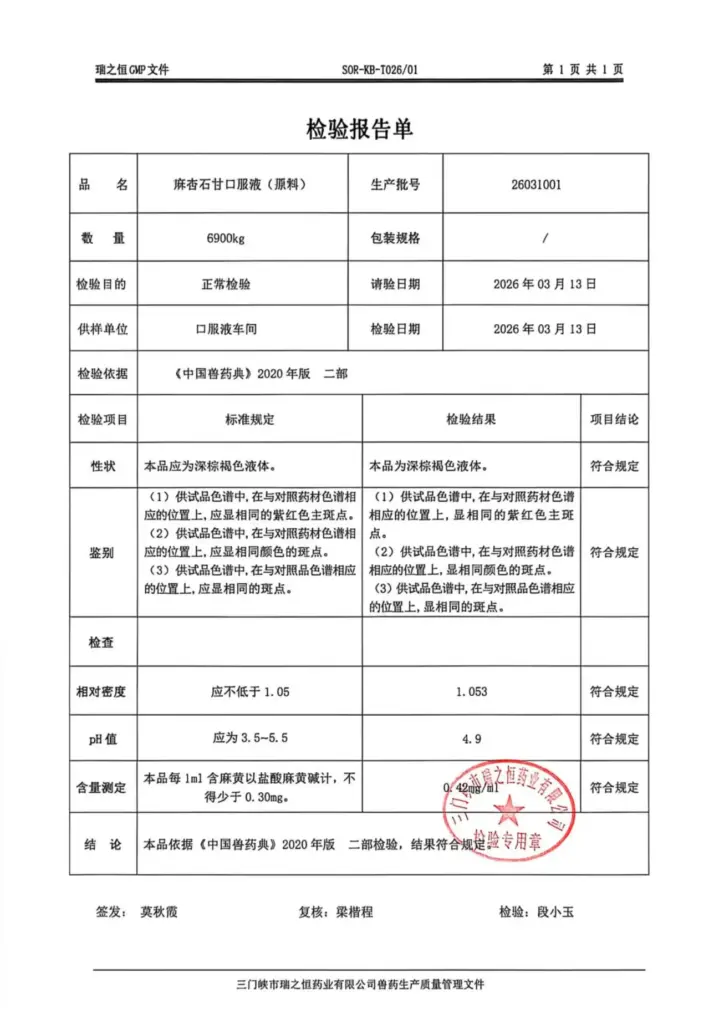
Standard documentation per batch: ① Certificate of Analysis (CoA) with actual measured values for epigoitrin (HPLC), concentration ratio verification, heavy metals (Pb, Cd, Hg, As), microbiology (total plate count, E. coli, mold, yeast), moisture, particle size, ash, and dissolution rate — all reported as actual results, not specification ranges; ② Certificate of Origin; ③ Phytosanitary Certificate; ④ Safety Data Sheet (SDS); ⑤ Health Certificate from the relevant provincial Department of Agriculture and Rural Affairs. For EU destinations: customs commodity code confirmation and REACH exemption statement. For injection grade: additional sterility, endotoxin, and particulate test certificates. All documents available for electronic pre-review before B/L issuance.
What is the regulatory status of Isatis root extract in the EU and US markets?
EU health supplement / botanical medicine: Isatis root is listed in the EFSA database of botanical substances with a history of use in traditional European herbal medicine. It can be registered under THMPD (2004/24/EC) as a traditional herbal medicinal product, or marketed as a food supplement provided no medicinal claims are made. The alkaloid content (indirubin) may require assessment depending on concentration and application. EU feed / veterinary: classified as a botanical feed material under Regulation (EC) 767/2009; no therapeutic claims permitted. The presence of glucosinolates requires documentation of anti-nutritional factor levels for certain species (particularly in feed applications at higher inclusion rates). US supplement (DSHEA): Isatis root is sold in the US supplement market without FDA pre-market approval; an NDI notification may be required for specific product forms. US veterinary / animal feed: generally positioned as a botanical feed ingredient. Our export technical manager can provide a market-specific regulatory advisory memo for your target use case at no charge before your first inquiry.
How do you handle glucosinolate content — is it a concern for feed applications?
Glucosinolates are naturally present in Isatis root as precursors to the active compound epigoitrin, and this is well documented. At the inclusion rates typically used in drinking-water programs for poultry and swine (equivalent to 0.5–2 g/L of 10:1 extract), the glucosinolate contribution is substantially below the anti-nutritional thresholds documented for monogastric species. The concern is more relevant for ruminants at high continuous doses, which is not the typical usage pattern. Our drinking-water grade CoA includes total glucosinolate content as an informational parameter, and we provide species-specific inclusion rate guidance in our technical data sheet. For feed premix applications at higher inclusion rates — or for species where glucosinolate sensitivity is documented — we can recommend specific maximum inclusion rates and can assist in designing dosing programs that maintain therapeutic efficacy while staying below anti-nutritional thresholds.
Can you produce custom concentration ratios (e.g., 30:1) or higher epigoitrin specifications?
Yes. We can produce concentration ratios above 20:1 on request — typically 25:1 or 30:1 for high-potency pharmaceutical applications. Higher ratios require a larger raw material input per unit of finished extract and extended production scheduling (4–6 weeks), with pricing scaled accordingly. For higher epigoitrin content above 0.2%, additional purification steps (column chromatography fractionation) are required; our validated process currently produces up to ≥0.5% epigoitrin with a 30:1 ratio for specialized pharmaceutical submissions. Please note: at very high concentration ratios, the extract becomes increasingly hygroscopic. We adjust packaging (nitrogen-flushed, double-sealed foil) and storage recommendations accordingly. If you have a specific target ratio and epigoitrin specification, provide your requirement and we’ll confirm feasibility and pricing within 48 hours.
Can Isatis root extract be combined with forsythia and honeysuckle in a compound formula?
Yes — and this is one of our most frequently requested compound formulations. The classical “Shuanghuanglian” formula — combining honeysuckle (Lonicera japonica), forsythia (Forsythia suspensa), and Isatis root — has a well-documented antiviral synergy profile and is one of the most prescribed TCM antiviral formulations. We produce a standardized compound version of this combination in both oral and drinking-water grade: each component is independently standardized by HPLC before blending, the final compound is retested for all three primary markers (chlorogenic acid for honeysuckle, forsythin for forsythia, epigoitrin for Isatis), and a unified CoA is issued for the blend. Custom ratios of the three components are available. This is fully produced from ingredients manufactured in-house — no multi-supplier coordination required. Speak to our technical team about your target species, application, and market requirements.
Do you offer private label / OEM production? What are the minimum quantities?
Yes, from 25 kg per SKU. Private label services: custom product name and label; custom CoA format (issued under your company name or in dual-brand format); custom specification ranges within our manufacturing capability; packaging format selection (1 kg, 5 kg, 25 kg bags or drums). All OEM discussions are conducted under NDA. We do not require disclosure of your end customer, formulation details, or downstream pricing. ODM compound formula development: for clients developing a proprietary antiviral compound blend (e.g., Isatis + forsythia + honeysuckle at custom ratios), we handle the full formulation development, stability validation, and quality standard establishment. First private label batch: 4–6 weeks from specification agreement and NDA signature.
What happens if a batch fails our incoming QC after delivery?
Contact our QA Manager directly by email or WhatsApp with the lot number, your specific test result and deviation, and the test method used. We acknowledge within 4 business hours. Our QA Manager has direct access to the retained batch sample (held for 24 months under ICH conditions), the full production batch record, and the original incoming material data. A formal root-cause analysis report is issued within 5 business days. If your test method and ours disagree, we first compare methodologies to rule out procedural differences — epigoitrin HPLC results can vary by up to 10–15% between different validated methods, and this is worth establishing before escalating. If a genuine quality discrepancy is confirmed, we accept third-party arbitration by SGS, Intertek, or Bureau Veritas as binding, with arbitration costs borne by the responsible party. Resolution options — replacement, credit note, or full refund — are confirmed in writing before action. We do not use delay as a dispute response strategy.
Botanicals frequently combined with Isatis root in formulation
The following are most frequently requested alongside forsythia. All available in the same four product forms from the same facility — consistent quality, single-source supply chain.
Lonicera japonica
- Chlorogenic acid ≥25% · HPLC
- Third component of classical Shuanghuanglian formula
Scutellaria baicalensis
- Baicalin ≥85% · HPLC
- Broadens antiviral spectrum · TNF-α / IL-6 suppression
Forsythia suspensa
- Forsythin ≥6% · HPLC · Lushi origin
- Core component of Shuanghuanglian compound formula
Astragalus membranaceus
- Polysaccharides ≥70% · UV
- Immune-building pairing for prevention programs
Start with a free 100g sample. Ships in 48 hours.
Express delivery to EU, US, and Southeast Asia. Every sample ships with full CoA (dual HPLC markers), spec sheet, and a pricing indication for your target volume.
- Choose your grade — pharmaceutical, health supplement, veterinary, or cosmetic
- Transparent CoA: Every active marker is reported as an actual, independently HPLC-measured value.
- Pricing indication for your MOQ included in the same reply
- Formulation calculation sheet and inclusion rate guidance available on request
- NDA available before any technical brief or formula disclosure
All inquiries treated with strict confidentiality · No pushy follow-ups · One business day response guaranteed
Send an inquiry
We reply within 1 business day with pricing, lead time, and sample tracking number.
NDA available on request · No commitment required · Confidential
NDA available on request · No commitment required · Confidential